-1771628551.png)
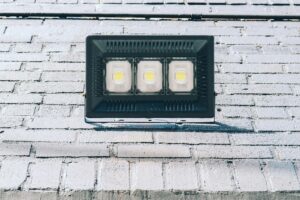
Solar flood lights have become one of the most popular outdoor lighting solutions for Kenyan homes and businesses. Whether you want to improve security, illuminate a driveway, light up a commercial compound, or reduce electricity bills, choosing the right solar flood light wattage can make all the difference.
Among the most common options available today are 100W, 200W, and 300W solar flood lights. While all three provide reliable outdoor lighting, each is designed for different spaces, brightness requirements, and budgets. Choosing the wrong wattage could result in poor illumination, unnecessary costs, or lighting that doesn’t meet your security needs.
This comprehensive guide compares 100W, 200W, and 300W solar floodlights, explaining their differences in brightness, coverage, battery performance, installation requirements, and ideal applications. By the end of this guide, you’ll know exactly which solar flood light is best for your home, business, farm, school, or commercial property in Kenya.
Why Solar Flood Lights Are Becoming Popular in Kenya
As electricity costs continue to rise and more homeowners embrace renewable energy, solar flood lights have become an affordable and sustainable alternative to traditional outdoor lighting. Unlike conventional floodlights that rely on grid electricity, solar-powered security lights generate their own power during the day and automatically illuminate outdoor spaces at night.
Modern LED solar flood lights feature high-efficiency solar panels, durable lithium batteries, intelligent light sensors, and energy-saving LEDs that provide bright illumination for extended hours without increasing monthly electricity bills.
For Kenyan homeowners, businesses, institutions, and farms, solar flood lights offer several key advantages:
- Zero electricity costs after installation
- Automatic dusk-to-dawn operation
- Easy installation without trenching or wiring
- Reliable outdoor security lighting during power outages
- Low maintenance requirements
- Eco-friendly and sustainable energy solution
- Long-lasting LED technology with minimal power consumption
These benefits have made solar flood lights in Kenya one of the fastest-growing categories in outdoor security lighting.
How Do Solar Flood Lights Work?
Understanding how solar flood lights operate helps buyers appreciate why selecting the correct wattage is only one part of making the right purchase. Battery capacity, solar panel efficiency, LED quality, and controller technology all work together to determine overall performance.
A modern solar-powered security light consists of four primary components:
1. Solar Panel
The solar panel captures sunlight during the day and converts it into electrical energy. The efficiency of the panel directly affects how quickly the battery charges, especially during cloudy weather.
High-quality monocrystalline solar panels generally deliver faster charging and better performance than lower-efficiency alternatives, making them ideal for year-round outdoor use.
2. Rechargeable Lithium Battery
The electricity generated by the solar panel is stored in a rechargeable battery, typically a lithium-ion or LiFePO₄ battery. This stored energy powers the light throughout the night.
Compared to older battery technologies, lithium batteries offer:
- Longer lifespan
- Faster charging
- Greater energy efficiency
- Better performance during frequent charging cycles
- Reduced maintenance
Premium solar flood lights increasingly use LiFePO₄ batteries because they provide thousands of charge cycles, improved safety, and excellent durability.
3. High-Efficiency LED Chips
LED technology is responsible for producing bright illumination while consuming minimal energy.
Modern LED floodlights produce significantly more light using less power than traditional halogen floodlights. High-quality LED chips also offer:
- Longer operational life
- Lower heat generation
- Better brightness consistency
- Improved colour rendering
- Reduced energy consumption
The efficiency of the LED chips often has a greater impact on real-world performance than the advertised wattage alone.
4. Smart Controller and Sensors
An intelligent controller manages charging, battery protection, and automatic lighting functions.
Most outdoor solar flood lights include:
- Dusk-to-dawn sensors
- Overcharge protection
- Deep discharge protection
- Automatic ON/OFF operation
- Energy management controls
Some advanced models also feature remote controls, adjustable brightness levels, timers, and PIR motion sensors for enhanced security and extended battery runtime.
Does Higher Wattage Mean Brighter Solar Flood Lights?
One of the biggest misconceptions among buyers is that wattage alone determines brightness. In reality, modern solar lighting performance depends on several factors working together.
While a 300W solar flood light generally delivers greater illumination than a 100W solar flood light, actual brightness also depends on:
- LED chip quality
- Lumens output
- Reflector design
- Solar panel efficiency
- Battery capacity
- Beam angle
- Battery charge level
- Weather conditions
This is why two flood lights with the same advertised wattage can perform very differently in real-world conditions.
When comparing products, buyers should evaluate the complete lighting system rather than focusing solely on wattage.
Understanding Lumens vs Wattage
Before comparing different solar flood lights, it’s important to distinguish between watts and lumens. Watts (W) measure power consumption or the system’s power rating. Lumens (lm), on the other hand, measure the amount of visible light produced.
For solar flood lights, lumens provide a better indication of actual brightness than wattage.
For example:
- A well-designed 100W solar flood light with premium LEDs may outperform a poorly built 200W model.
- Efficient LED technology can produce higher brightness while consuming less energy.
- Better optical design distributes light more effectively across the target area.
This is why experienced buyers consider both wattage and lumen output when choosing outdoor solar lighting.
100W vs 200W vs 300W Solar Flood Lights: Key Differences
Choosing the right solar flood light begins with understanding how each wattage performs under different conditions. Although they share similar technology, their brightness, battery size, coverage area, and ideal applications vary considerably.
Below is a high-level comparison of the three most popular options.
| Feature | 100W Solar Flood Light | 200W Solar Flood Light | 300W Solar Flood Light |
| Brightness | Moderate | High | Very High |
| Coverage Area | Small to Medium | Medium to Large | Large Areas |
| Ideal Installation Height | 3–4 metres | 4–5 metres | 5–7 metres |
| Suitable For | Homes, pathways, gates | Compounds, parking areas | Warehouses, schools, farms, and commercial premises |
| Battery Capacity | Medium | Large | Extra Large |
| Solar Panel Size | Medium | Larger | Largest |
| Night Runtime | 8–12 hours* | 8–12 hours* | 8–12 hours* |
*Runtime depends on battery capacity, charging conditions, brightness settings, and weather.
Which Solar Flood Light Is Best for Your Property?
There is no universal “best” wattage. The right choice depends on the size of the area you want to illuminate, the level of security required, installation height, and your budget.
For example:
- A homeowner lighting a small driveway may find a 100W solar flood light more than adequate.
- A family with a larger compound may benefit from the wider coverage of a 200W solar flood light.
- Businesses, schools, warehouses, farms, churches, and parking lots often require the greater illumination and wider beam coverage offered by a 300W solar flood light.
Understanding these differences helps you avoid overspending on unnecessary capacity while ensuring your outdoor spaces remain well-lit and secure.
100W Solar Flood Light: Best for Small Homes and Targeted Security Lighting
Now that you understand how solar flood lights work and the differences between wattage ratings, let’s take a closer look at what each option offers. Every wattage is designed to serve a specific purpose, and selecting the right one ensures you achieve the perfect balance between brightness, coverage, battery life, and value for money.
A 100W solar flood light is an excellent entry-level option for homeowners who need reliable outdoor lighting without overspending. It provides sufficient illumination for small to medium-sized spaces while remaining energy-efficient and easy to install.
Ideal Applications for a 100W Solar Flood Light
A 100W model is best suited for:
- Residential gates
- Driveways
- Garden pathways
- Small compounds
- Verandas
- Backyard security
- Side entrances
- Perimeter fencing
- Poultry houses
- Small retail shops
Because it delivers focused lighting rather than broad-area illumination, it’s ideal for highlighting specific areas that require visibility and security.
Advantages of a 100W Solar Flood Light
A quality 100W solar flood light offers numerous benefits, including:
- Affordable purchase price
- Lower maintenance costs
- Fast battery charging
- Excellent energy efficiency
- Easy wall or pole installation
- Bright illumination for residential use
- Reliable dusk-to-dawn operation
- Ideal for households transitioning to solar lighting
Many homeowners choose this wattage because it provides an excellent balance between affordability and performance.
Limitations
Although highly practical, a 100W unit may not be suitable for:
- Large compounds
- Commercial premises
- Schools
- Churches
- Large parking lots
- Warehouses
- Agricultural fields
Installing multiple 100W units can improve coverage, but for expansive spaces, upgrading to a higher wattage is often the more efficient solution.
200W Solar Flood Light: The Best All-Round Choice
If you’re looking for the perfect combination of brightness, coverage, and value, a 200W solar flood light is often the best choice. It has become one of the most popular outdoor lighting solutions in Kenya because it suits both residential and commercial applications.
This wattage provides significantly greater illumination than a 100W model while remaining cost-effective for most homeowners and businesses.
Ideal Applications for a 200W Solar Flood Light
A 200W unit works exceptionally well for:
- Medium-sized compounds
- Apartment buildings
- Schools
- Churches
- Petrol stations
- Shopping centres
- Car parking areas
- Office compounds
- Residential estates
- Farmyards
Its wider beam spread allows fewer fixtures to illuminate larger areas effectively.
Advantages of a 200W Solar Flood Light
Key benefits include:
- Wider lighting coverage
- Higher brightness levels
- Larger battery capacity
- Longer runtime during cloudy periods
- Better security visibility
- Excellent balance between cost and performance
- Suitable for both homes and businesses
- Reduced need for multiple installations
For many Kenyan properties, a 200W solar flood light represents the “sweet spot” between affordability and performance.
Limitations
While highly versatile, a 200W flood light may still be insufficient for:
- Very large commercial compounds
- Industrial facilities
- Sports grounds
- Large warehouses
- Extensive farms
- High-mast lighting applications
In such cases, 300W models offer superior coverage and illumination.
300W Solar Flood Light: Maximum Brightness for Large Spaces
For customers who need maximum outdoor visibility and security, a 300W solar flood light is the premium option. These lights are designed to illuminate expansive outdoor spaces where lower wattages may struggle to provide adequate coverage.
Although they require a larger initial investment, they often reduce the total number of fixtures needed, making them economical for large-scale installations.
Ideal Applications for a 300W Solar Flood Light
A 300W model is ideal for:
- Warehouses
- Factory compounds
- Schools
- Universities
- Hospitals
- Large churches
- Stadium surroundings
- Parking yards
- Industrial premises
- Large residential estates
- Farms and ranches
- Construction sites
- County government facilities
These environments demand consistent, high-intensity lighting to improve safety, security, and operational efficiency.
Advantages of a 300W Solar Flood Light
The key advantages include:
- Exceptional brightness
- Extensive lighting coverage
- Larger solar panels for efficient charging
- High-capacity lithium battery
- Better performance during extended nighttime operation
- Fewer fixtures required for large areas
- Enhanced perimeter security
- Improved surveillance camera visibility
For commercial properties, investing in a high-quality 300W solar flood light can significantly improve nighttime security.
Limitations
Despite their impressive performance, 300W models may not be necessary for:
- Small homes
- Narrow driveways
- Compact gardens
- Small businesses with limited outdoor space
Using an oversized floodlight in a small area can lead to unnecessary expenditure without delivering meaningful additional benefits.
Side-by-Side Comparison: 100W vs 200W vs 300W Solar Flood Lights
Comparing the three wattages side by side makes it easier to identify the best option for your needs. While all three rely on the same core solar technology, their capabilities differ in terms of brightness, coverage, battery capacity, and ideal use cases.
| Feature | 100W | 200W | 300W |
| Brightness | Good | Very Good | Excellent |
| Coverage Area | Small–Medium | Medium–Large | Large |
| Battery Capacity | Medium | Large | Extra Large |
| Solar Panel Size | Medium | Large | Extra Large |
| Recommended Mounting Height | 3–4 m | 4–5 m | 5–7 m |
| Best For | Homes | Homes & Businesses | Commercial Properties |
| Installation Cost | Low | Moderate | Higher |
| Value for Money | Excellent | Outstanding | Excellent for Large Sites |
Factors to Consider Before Buying a Solar Flood Light
Buying a solar flood light is about more than choosing the highest wattage. To get the best performance and long-term value, it’s important to evaluate several key factors.
1. Property Size
Start by assessing the area you want to illuminate.
- Small compounds generally require 100W units.
- 200W models serve medium compounds well.
- Large commercial or institutional spaces benefit from 300W systems.
Matching the wattage to the property size ensures efficient lighting without overspending.
2. Brightness Requirements
Consider how the space will be used.
Security-sensitive areas such as gates, parking lots, warehouses, and business premises require brighter lighting than decorative garden pathways or residential patios.
Always compare lumen output—not just the advertised wattage—when evaluating products.
3. Battery Technology
The battery determines how long the light can operate after sunset.
Choose models equipped with LiFePO₄ or high-quality lithium batteries, which offer:
- Longer lifespan
- Faster charging
- Improved safety
- Better performance in varying weather conditions
- Thousands of charging cycles
4. Solar Panel Quality
A high-efficiency monocrystalline solar panel charges more quickly and performs better during cloudy weather than lower-quality alternatives.
A larger, well-designed panel also ensures the battery reaches full capacity more consistently.
5. Waterproof Rating
Since flood lights are installed outdoors, weather resistance is essential.
Look for products with an IP65, IP66, or IP67 rating to ensure reliable operation in rain, dust, and harsh outdoor environments.
6. Installation Location
Choose a mounting location that receives unobstructed sunlight for most of the day.
Avoid placing the solar panel beneath trees, roof overhangs, or buildings that may cast shadows and reduce charging efficiency.
7. Smart Features
Modern solar flood lights often include value-added features such as:
- Remote controls
- Adjustable brightness levels
- Motion detection
- Dusk-to-dawn sensors
- Lighting timers
- Battery level indicators
These features improve convenience while helping to extend battery runtime.
Common Mistakes to Avoid When Buying Solar Flood Lights
Many buyers focus only on wattage and overlook other factors that significantly affect performance. Avoiding these common mistakes will help you choose a lighting solution that delivers reliable results for years.
Buying Based Only on Wattage
Higher wattage doesn’t automatically mean better lighting. Always evaluate lumen output, battery quality, solar panel efficiency, and LED performance together.
Ignoring Battery Quality
A powerful LED paired with a low-quality battery may produce excellent brightness initially but fail to last through the night. Premium lithium or LiFePO₄ batteries provide better reliability and longevity.
Installing in Shaded Areas
Even the best solar flood light cannot perform optimally if the solar panel doesn’t receive enough sunlight. Proper placement is critical for consistent charging.
Choosing the Wrong Size
Oversized lights can waste money, while undersized units may leave important areas poorly illuminated. Select a wattage that matches your property’s lighting requirements.
Buying Cheap, Low-Quality Products
Extremely low-priced solar flood lights often use inferior batteries, smaller solar panels, and lower-quality LED chips, resulting in shorter runtimes and reduced lifespan. Investing in a reputable product typically offers better long-term value.
Frequently Asked Questions About 100W, 200W, and 300W Solar Flood Lights
When buying a solar flood light, many customers have similar questions about brightness, battery life, installation, and performance. The following FAQs are optimized to answer common search queries and help you make an informed purchasing decision.
Is a 100W Solar Flood Light Bright Enough?
Yes. A 100W solar flood light is bright enough for most residential applications, including gates, driveways, pathways, verandas, gardens, and small compounds. It provides reliable security lighting while consuming minimal energy and is an excellent choice for homeowners looking for an affordable outdoor lighting solution.
Is a 200W Solar Flood Light Worth Buying?
Absolutely. A 200W solar flood light offers one of the best balances between brightness, coverage, and value for money. It is suitable for medium-sized homes, apartment complexes, schools, churches, office compounds, and small commercial premises.
If you’re unsure whether to choose a 100W or 300W model, the 200W option is often the most versatile choice.
Is a 300W Solar Flood Light Too Powerful for a Home?
Not necessarily. A 300W solar flood light is ideal for homes with large compounds, multiple parking spaces, long perimeter walls, or expansive gardens. However, for smaller residential properties, a 100W or 200W model is sufficient and more cost-effective.
Which Solar Flood Light Is Best for Security?
The best solar flood light depends on the size of the area you want to secure.
- 100W – Best for gates, entrances, and small compounds.
- 200W – Ideal for medium-sized residential and commercial properties.
- 300W – Recommended for warehouses, schools, farms, churches, factories, and large parking areas.
Choosing the correct wattage ensures better visibility, improved CCTV footage, and enhanced nighttime security.
How Long Do Solar Flood Lights Last?
A high-quality solar flood light can last for many years when properly maintained.
Typical component lifespans include:
- LED chips: Up to 50,000 hours or more.
- LiFePO₄ batteries: Approximately 2,000–6,000 charge cycles, depending on quality and usage.
- Solar panels: Often 20–25 years with minimal performance degradation.
Routine cleaning of the solar panel and proper installation in direct sunlight can maximize the lifespan of the entire system.
Can Solar Flood Lights Stay On All Night?
Yes. Most quality solar flood lights are designed to operate from dusk until dawn after a full day of charging.
The exact runtime depends on several factors, including:
- Battery capacity
- Solar panel efficiency
- Amount of sunlight received
- Selected brightness level
- Ambient weather conditions
Many modern models also feature energy-saving modes that automatically reduce brightness during periods of low activity, helping extend runtime.
Are Solar Flood Lights Waterproof?
Most reputable solar flood lights are designed for outdoor use and carry IP65, IP66, or IP67 weatherproof ratings. These ratings indicate resistance to rain, dust, and other environmental conditions, making them suitable for year-round installation in Kenya.
Always verify the product’s ingress protection (IP) rating before purchasing to ensure it meets your installation environment.
Do Solar Flood Lights Work During Cloudy or Rainy Weather?
Yes, but performance may vary depending on the amount of sunlight available.
High-quality solar flood lights equipped with efficient monocrystalline solar panels and large-capacity lithium batteries can continue operating after cloudy days. However, several consecutive days of poor sunlight may reduce battery charging and shorten nightly runtime.
Can I Install a Solar Flood Light Myself?
In many cases, yes. Most residential solar flood lights are designed for straightforward installation using basic tools. However, for larger commercial systems or installations at significant heights, professional installation is recommended to ensure correct positioning, safety, and optimal solar panel orientation.
Expert Recommendations: Which Solar Flood Light Should You Choose?
Choosing the right solar floodlight depends on your property’s size, lighting requirements, and budget. Instead of simply selecting the highest wattage, match the light to your intended application for the best results.
Choose a 100W Solar Flood Light. If:
- You have a small home or compound.
- You want to light pathways, gates, or gardens.
- You’re looking for an affordable and energy-efficient security light.
- You only need targeted illumination.
Choose a 200W Solar Flood Light. If:
- You own a medium-sized residential or commercial property.
- You require broader coverage without installing multiple lights.
- You want the best balance of performance, coverage, and value.
- You need dependable lighting for driveways, parking areas, or office compounds.
Choose a 300W Solar Flood Light If:
- You need to illuminate a large outdoor area.
- You manage a warehouse, factory, school, church, hospital, or farm.
- Security is a top priority.
- You want fewer fixtures to cover a wider space.
Solar Flood Light Maintenance Tips
Like any outdoor equipment, solar flood lights perform best when properly maintained. Fortunately, maintenance requirements are minimal, making them one of the easiest outdoor lighting solutions to own.
Clean the Solar Panel Regularly
Dust, leaves, and bird droppings can reduce charging efficiency. Wipe the panel with a soft cloth every few weeks to maintain peak performance.
Avoid Shade
Ensure the solar panel receives direct sunlight throughout the day. Trim nearby trees or relocate the panel if shadows become an issue.
Check Mounting Hardware
Inspect brackets, screws, and mounting poles periodically to ensure the light remains securely installed, especially after heavy rain or strong winds.
Keep the Light Lens Clean
A clean LED lens ensures maximum light output and prevents dirt buildup from reducing brightness.
Inspect the Battery
Although lithium batteries require very little maintenance, it’s a good idea to monitor performance over time. If you notice a significant reduction in runtime after several years, the battery may need replacement.
Final Verdict: 100W vs 200W vs 300W Solar Flood Lights
There is no single “best” solar flood light for every situation. The right choice depends on the size of your property, the level of brightness required, and your budget.
A 100W solar flood light is an excellent option for homeowners seeking affordable, reliable lighting for small outdoor spaces.
A 200W solar flood light offers the best overall value, delivering an ideal balance of brightness, coverage, and efficiency for most homes and businesses.
A 300W solar flood light is the preferred choice for large compounds, commercial properties, institutions, farms, warehouses, and any location requiring powerful, wide-area illumination.
By considering factors such as battery technology, solar panel quality, LED efficiency, weather resistance, and installation location—not just wattage—you’ll enjoy dependable lighting and enhanced security for many years.
Why Buy Solar Flood Lights from MK Homestyles?
Solar flood lights are a smart investment for anyone looking to improve outdoor security while reducing electricity costs. Whether you choose a 100W, 200W, or 300W model, selecting a high-quality product that matches your property’s requirements will ensure years of dependable performance.
By understanding the differences in brightness, coverage, battery capacity, and ideal applications, you can confidently choose the right solar flood light for your home or business. With the right installation and basic maintenance, your solar lighting system will provide efficient, eco-friendly illumination night after night, making it a valuable addition to any property.
When investing in outdoor lighting, choosing a trusted supplier is just as important as selecting the right product. MK Homestyles is committed to providing high-quality solar lighting solutions that combine performance, durability, and value for money.
Whether you’re lighting a small home, a busy commercial compound, or a large industrial property, MK Homestyles Kenya offers a carefully selected range of reliable solar flood lights designed for Kenyan conditions. At MK Homestyles Agencies Limited, you’ll find genuine products featuring efficient LED technology, durable weather-resistant construction, and long-lasting lithium battery systems to ensure dependable performance throughout the year.
As your trusted solar shop in Nairobi, we provide expert guidance to help you choose the ideal wattage for your needs, whether it’s a 100W, 200W, or 300W solar flood light. Our comprehensive MK Homestyles power solutions are designed to improve security, reduce electricity costs, and deliver sustainable outdoor lighting for homes, businesses, schools, churches, farms, and industrial facilities.
Visit the MK Homestyles electrical shop today to explore our extensive range of solar lighting products, or browse our collection of MK Homestyles smart home products for more innovative energy-efficient solutions. Our knowledgeable team is ready to help you find the perfect solar flood light to match your property and budget.
Invest in quality, embrace renewable energy, and enjoy reliable outdoor lighting with MK Homestyles.