-1771628551.png)
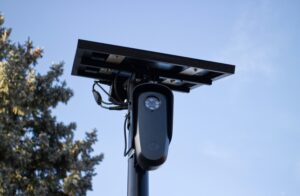
With security concerns on the rise and electricity costs continuing to increase, more homeowners and businesses are turning to solar CCTV cameras as a reliable and cost-effective surveillance solution. These innovative systems combine high-definition security cameras, rechargeable lithium batteries, and solar panels to provide uninterrupted monitoring without relying on the national power grid.
But are solar CCTV cameras worth it, or are they simply another technological trend?
The answer depends on your security needs, installation location, and budget. For many Kenyan homes, farms, construction sites, schools, warehouses, and businesses, solar-powered security cameras offer significant advantages over traditional wired CCTV systems. They eliminate the need for extensive cabling, continue working during power outages, and are ideal for remote areas without access to electricity.
In this comprehensive guide, we’ll explore how solar CCTV cameras work, their advantages and disadvantages, how they compare with wired CCTV systems, and whether investing in a solar CCTV camera in Kenya is the right decision for your property.
What Is a Solar CCTV Camera?
A solar CCTV camera is a surveillance camera that uses solar energy instead of mains electricity. The system consists of a high-efficiency solar panel that charges a built-in rechargeable lithium battery, allowing the camera to operate day and night.
Unlike conventional CCTV systems that depend entirely on grid power, solar-powered security cameras generate their own electricity during the day and store excess energy in the battery for nighttime operation or cloudy weather.
Most modern wireless solar CCTV cameras include smart features such as:
- HD or 2K/4K video recording
- AI human detection
- PIR motion sensors
- Color night vision
- Two-way audio
- Mobile app monitoring
- Cloud and microSD card storage
- IP66 weatherproof construction
- Remote access from anywhere
These features make them an excellent solution for both residential and commercial security.
How Do Solar CCTV Cameras Work?
Understanding how solar surveillance cameras operate helps explain why they have become increasingly popular.
A typical solar CCTV system consists of four key components:
1. Solar Panel
The solar panel captures sunlight and converts it into electrical energy. Modern monocrystalline panels are highly efficient and continue to generate power even on cloudy days, though at reduced output.
2. Rechargeable Lithium Battery
The generated electricity is stored in a built-in lithium battery. This battery powers the camera overnight and during periods of low sunlight.
High-quality solar CCTV cameras can continue operating for several days without direct sunshine, depending on battery capacity and camera usage.
3. Smart Security Camera
The camera records video continuously or only when motion is detected. Many newer outdoor solar CCTV cameras use AI-powered human detection to distinguish people from animals, vehicles, or moving vegetation, significantly reducing false alarms.
4. Wireless Connectivity
Most modern Wi-Fi cameras connect to your home or office Wi-Fi network, allowing you to monitor live footage using a smartphone.
For remote areas without internet access, a 4G solar CCTV camera uses a SIM card to transmit video through the mobile network, making it ideal for farms, construction sites, and isolated properties.
Why Are Solar CCTV Cameras Becoming So Popular in Kenya?
Demand for solar security cameras in Kenya has grown rapidly over the past few years. Several factors contribute to this trend.
Frequent Power Outages
Power interruptions can leave traditional CCTV systems vulnerable unless backed by batteries or generators.
Since solar-powered CCTV cameras generate and store their own electricity, they continue operating even when the grid fails.
This makes them particularly valuable for protecting homes and businesses during blackouts.
Growing Adoption of Solar Energy
Kenya has one of the highest levels of solar energy adoption in Africa. With abundant sunshine year-round, solar-powered technologies perform exceptionally well.
Installing a solar CCTV camera allows property owners to take advantage of this free renewable energy while reducing electricity costs.
Increased Security Awareness
Property owners are investing more in surveillance to deter theft, monitor visitors, and protect valuable assets.
Whether it’s a family home, retail shop, warehouse, office, or farm, solar-powered security cameras provide continuous monitoring without significantly increasing utility bills.
Benefits of Solar CCTV Cameras
So, are solar CCTV cameras worth buying?
Let’s examine the major benefits.
1. No Electricity Bills
One of the biggest advantages is that solar CCTV cameras use free solar energy.
Unlike traditional CCTV systems that run on electricity around the clock, solar surveillance cameras reduce operating costs by generating their own power.
Over several years, these savings can offset much of the initial investment.
2. Easy Installation
Traditional CCTV systems often require:
- Extensive electrical wiring
- Trenching
- Drilling through walls
- Professional electricians
By comparison, wireless solar CCTV cameras require minimal installation.
Since the camera and solar panel are self-powered, they can be mounted almost anywhere with adequate sunlight.
This significantly reduces installation time and labor costs.
3. Ideal for Remote Locations
Many farms, ranches, construction sites, wildlife conservancies, and rural homes have limited or no access to electricity.
A 4G solar CCTV camera solves this problem by operating independently of the electrical grid while transmitting footage through the mobile network.
This makes off-grid security easier than ever.
4. Reliable During Power Outages
Traditional CCTV systems stop working when power fails unless connected to backup batteries or a UPS.
Because solar powered security cameras store energy in rechargeable batteries, they continue monitoring throughout the outage.
For businesses that require uninterrupted surveillance, this reliability is a major advantage.
5. Lower Maintenance Costs
Modern solar CCTV systems contain fewer electrical components than wired installations.
There is no need to replace damaged electrical cables or troubleshoot complex wiring networks.
Routine maintenance typically involves:
- Cleaning the solar panel
- Checking battery health
- Updating camera firmware
- Inspecting mounting brackets
Overall, maintenance requirements are relatively low.
6. Environmentally Friendly
Solar energy is clean, renewable, and sustainable.
Using solar-powered CCTV cameras reduces reliance on fossil-fuel-generated electricity and lowers your property’s carbon footprint.
For environmentally conscious homeowners and businesses, this is an added benefit.
Where Are Solar CCTV Cameras Most Effective?
Solar CCTV cameras in Kenya are becoming increasingly popular due to their versatility. They are applicable in the following areas:
Residential Homes
Homeowners use solar security cameras to monitor:
- Main gates
- Driveways
- Perimeter walls
- Garages
- Gardens
- Parking areas
Smartphone notifications allow homeowners to respond quickly to suspicious activity, even when away.
Farms and Agricultural Properties
Large farms often cover extensive areas where installing electrical cables is impractical.
Solar CCTV cameras provide an effective monitoring solution:
- Livestock
- Irrigation equipment
- Farm machinery
- Fuel storage
- Produce stores
- Entry points
When paired with a 4G solar CCTV camera, farmers can access live footage from virtually anywhere with mobile network coverage.
Businesses and Commercial Premises
Retail stores, warehouses, offices, schools, hotels, and factories can all benefit from solar powered security cameras.
They provide reliable surveillance while reducing dependence on the electrical grid and lowering long-term operating costs.
Businesses with multiple outdoor areas particularly benefit from the flexibility offered by wireless installations.
Are There Any Disadvantages of Solar CCTV Cameras?
While solar CCTV cameras offer numerous advantages, they are not the perfect solution for every property. Understanding their limitations will help you choose the right security system for your needs.
1. Higher Initial Investment
Compared to standard wired CCTV cameras, a solar-powered security camera typically costs more because it includes a solar panel, rechargeable lithium battery, charge controller, and wireless communication technology.
However, the higher upfront cost is often offset by lower installation expenses and long-term savings on electricity bills.
2. Dependence on Sunlight
Although modern solar surveillance cameras can operate for several days using stored battery power, prolonged periods of heavy rain or limited sunlight may reduce charging efficiency.
Fortunately, Kenya enjoys abundant sunshine throughout most of the year, making solar CCTV cameras in Kenya a practical and reliable solution for most regions.
3. Proper Placement Is Essential
For maximum performance, the solar panel should receive direct sunlight for several hours each day. Installing the panel under trees, balconies, or heavily shaded areas can reduce charging efficiency.
Professional installation ensures the panel is positioned correctly to maximize solar energy collection.
4. Battery Replacement After Several Years
Like all rechargeable batteries, lithium batteries gradually lose capacity over time. Depending on usage and environmental conditions, most batteries last between 3 and 5 years before replacement may be required.
Fortunately, battery replacement is generally straightforward and much less expensive than replacing an entire CCTV system.
Solar CCTV vs Wired CCTV: Which Is Better?
One of the most common questions buyers ask is whether a solar CCTV camera is better than a traditional wired CCTV system.
The answer depends on your property’s location, security needs, and budget.
| Feature | Solar CCTV Camera | Wired CCTV Camera |
| Power Source | Solar panel with rechargeable battery | Grid electricity |
| Installation | Quick and wireless | Requires electrical wiring |
| Power Outages | Continues operating | Stops unless backed by UPS or generator |
| Running Costs | Very low | Continuous electricity consumption |
| Best for Remote Areas | Excellent | Not ideal |
| Installation Cost | Lower labor costs | Higher wiring and installation costs |
| Scalability | Easy to expand | Additional wiring required |
| Environmental Impact | Eco-friendly | Depends on electricity source |
If your property already has an extensive wired infrastructure and a reliable power supply, a wired CCTV system may still be a good option.
However, for homes, farms, construction sites, schools, warehouses, and businesses wanting flexibility and energy efficiency, wireless solar CCTV cameras often provide a better long-term investment.
Who Should Buy a Solar CCTV Camera?
A solar security camera is an excellent investment for a wide range of users.
Homeowners
Protect entrances, driveways, perimeter walls, and gardens while receiving instant alerts on your smartphone whenever motion is detected.
Farmers
Monitor livestock, irrigation systems, equipment, and storage facilities without running expensive electrical cables across large properties.
Businesses
Shops, offices, warehouses, hotels, schools, and commercial buildings benefit from continuous surveillance, even during power outages.
Construction Sites
Temporary construction sites often lack permanent electricity. A 4G solar CCTV camera provides reliable monitoring using a SIM card, making it ideal for protecting tools, machinery, and building materials.
Remote Properties
Holiday homes, ranches, telecommunication towers, and other off-grid facilities can be monitored effectively using solar powered security cameras without relying on the national grid.
How to Choose the Best Solar CCTV Camera
Not all solar CCTV cameras offer the same performance. Before purchasing, consider the following features.
Camera Resolution
Choose at least 1080p Full HD, although 2K or 4K cameras provide sharper images and make it easier to identify faces, vehicle registration plates, and other important details.
Battery Capacity
A larger lithium battery provides longer operating time during cloudy weather and extended nights. If your property experiences several overcast days, prioritize cameras with higher battery capacities.
Solar Panel Efficiency
A high-efficiency monocrystalline solar panel charges faster and performs better under varying weather conditions.
Night Vision
Look for cameras with infrared or full-color night vision to ensure clear images after dark.
Motion Detection
Modern cameras equipped with PIR motion sensors and AI human detection reduce false alarms by distinguishing people from animals, moving branches, and passing vehicles.
Weather Resistance
Outdoor cameras should have at least an IP66 waterproof rating to withstand rain, dust, heat, and changing weather conditions.
Storage Options
Consider whether the camera supports:
- Cloud storage
- MicroSD card recording
- Network video recording (NVR)
Multiple storage options provide greater flexibility and data security.
Remote Monitoring
A quality wireless solar CCTV camera should include a mobile app that allows you to:
- View live footage
- Receive motion alerts
- Play back recordings
- Adjust camera settings remotely
- Speak through two-way audio
Are Solar CCTV Cameras Worth the Investment?
For most homeowners and businesses, the answer is yes.
Although the initial purchase price may be slightly higher than conventional CCTV systems, the long-term benefits make solar powered security cameras a worthwhile investment.
They offer:
- Lower electricity costs
- Easy installation
- Reliable operation during power outages
- Wireless flexibility
- Minimal maintenance
- Environmentally friendly operation
- Excellent performance in remote locations
Considering Kenya’s abundant sunshine and the rising demand for reliable security, investing in a solar CCTV camera in Kenya offers convenience and long-term value.
Whether you’re protecting your home, farm, office, school, warehouse, or construction site, a well-designed solar CCTV system can provide years of reliable surveillance with minimal operating costs.
Frequently Asked Questions
Do solar CCTV cameras really work?
Yes. Modern solar powered security cameras are highly reliable when installed in locations with adequate sunlight. They store solar energy in rechargeable batteries, allowing them to operate day and night.
Do solar CCTV cameras work at night?
Yes. The battery stores energy collected during the day and powers the camera throughout the night. Most models also include infrared or full-color night vision for clear footage in low-light conditions.
Can solar CCTV cameras work without electricity?
Absolutely. This is one of their biggest advantages. Solar CCTV cameras generate their own power using solar panels and therefore do not depend on the national electricity grid.
Can solar CCTV cameras work without Wi-Fi?
Yes. A 4G solar CCTV camera uses a SIM card and mobile network to transmit footage, making it ideal for remote locations where Wi-Fi is unavailable.
How long do solar CCTV camera batteries last?
Most lithium batteries last between 3 and 5 years, depending on usage, charging cycles, and environmental conditions. Daily operating time varies by battery capacity and sunlight exposure, with quality systems designed to continue operating through the night and short periods of cloudy weather.
Are solar CCTV cameras waterproof?
Most outdoor models are designed with an IP66 or IP67 weatherproof rating, making them resistant to rain, dust, and harsh outdoor conditions.
What is the best solar CCTV camera for home security?
The best camera depends on your specific needs. Look for features such as high-definition video, AI human detection, night vision, two-way audio, reliable battery backup, remote mobile access, and weatherproof construction.
Buy Solar CCTV Cameras from MK Homestyles
Choosing the right solar CCTV camera is one of the smartest investments you can make to protect your property while reducing long-term energy costs. Whether you need a wireless solar CCTV camera for your home, a 4G solar CCTV camera for a remote farm, or a complete solar surveillance system for your business, selecting high-quality equipment ensures reliable performance for years to come.
At MK Homestyles, we offer a wide range of premium solar CCTV cameras in Kenya designed for homes, farms, offices, schools, warehouses, construction sites, and commercial properties. Our team can help you choose the ideal system based on your security requirements, budget, and installation environment. Contact MK Homestyles today to explore our collection of solar powered security cameras and enjoy dependable, energy-efficient surveillance backed by expert advice and excellent customer support.