-1771628551.png)
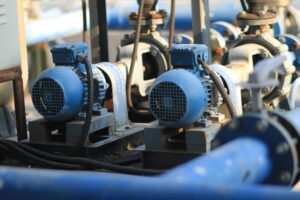
Low water pressure can make everyday activities frustrating. Showers may have weak flow, taps may take too long to fill containers, and water may struggle to reach upper floors. A water booster pump can provide an effective solution by increasing water pressure and improving water flow throughout a property.
But what exactly is a booster pump, how does it work, and how do you know which one you need?
In this guide, MK Homestyles explains booster pumps, their applications, different types, benefits, installation considerations and how to choose the right water pressure booster pump in Kenya.
What Is a Booster Pump?
Before choosing a booster pump, it is important to understand its basic purpose and how it differs from other types of water pumps. A booster pump is specifically designed to increase water pressure or improve water flow within an existing water supply system.
A booster pump is a mechanical device used to increase the pressure of water flowing through a plumbing system. It takes water from an existing source, such as a storage tank, municipal supply or other water source. It boosts the pressure before delivering it to taps, showers, appliances or other outlets.
Unlike a pump designed primarily to lift water from a deep source, a booster pump is generally used when water is already available but the existing pressure is insufficient.
For homes and businesses experiencing low water pressure, a water booster pump can provide stronger and more consistent water flow.
How Does a Booster Pump Work?
Understanding how a booster pump works makes it easier to determine whether it is suitable for your water supply system. The pump works by adding pressure to water as it moves through the system.
Water enters the booster pump through an inlet. The pump’s motor drives an impeller or other pumping mechanism, which increases the pressure of the water. The pressurised water is then delivered through the outlet to the property’s plumbing system.
Depending on the model, a booster pump may use a pressure switch, flow sensor or electronic controller to detect demand automatically.
For example, when you open a shower tap, the system detects water flow and activates the pump. When the tap is closed, the pump stops automatically on systems equipped with automatic controls.
This makes an automatic booster pump convenient for residential applications because users do not need to switch the pump on and off manually every time water is required.
What Does a Water Booster Pump Do?
A water booster pump is primarily designed to solve water pressure and flow problems. It can help deliver stronger water flow to outlets that are experiencing inadequate pressure.
Common uses include:
– Increasing shower pressure
– Improving tap water flow
– Supplying upper floors
– Supporting multiple bathrooms
– Improving water pressure from storage tanks
– Supplying water to appliances
– Supporting commercial plumbing systems
– Improving water distribution in buildings
A booster pump does not create an unlimited water supply. It needs an adequate water source and must be correctly sized for the system.
When Do You Need a Booster Pump?
Identifying the symptoms of low water pressure can help you determine whether a booster pump is appropriate. If your water source is adequate but pressure remains insufficient, boosting the pressure may solve the problem.
You may need a water pressure booster pump if:
– Shower pressure is consistently weak.
– Water flow decreases when multiple taps are opened.
– Water struggles to reach upper floors.
– Your storage tank provides insufficient pressure.
– Taps take too long to fill containers.
– Several bathrooms require better water flow.
– Household appliances require improved water pressure.
– Your building experiences inconsistent water pressure.
Before installing a pump, however, check whether the problem is caused by blocked pipes, leaking plumbing, closed valves or another fault. A booster pump should address a genuine pressure requirement rather than compensate for a damaged plumbing system.
Types of Booster Pumps
Booster pumps come in different designs to suit different water pressure requirements and applications. Understanding the available options helps you choose a pump that matches your home, business or building.
Automatic Booster Pumps
Automatic booster pumps are designed to start and stop according to water demand. This makes them particularly convenient for domestic applications.
When a tap or shower is opened, the pump detects demand and starts. When water demand stops, the pump switches off.
This type of automatic water booster pump is useful for homes, apartments and small commercial properties where convenience is important.
Pressure Booster Pumps
Pressure booster pumps are specifically designed to increase water pressure within a plumbing system. They are commonly used where incoming water pressure is too low for showers, taps or other outlets.
A pressure booster system can be configured to provide more consistent water pressure across different outlets.
Multistage Booster Pumps
Multistage booster pumps use multiple impellers to generate higher pressure than many single-stage designs.
They can be useful in applications requiring higher pressure, such as larger residential properties, commercial buildings and certain water distribution systems.
The appropriate pump should always be selected according to the required flow rate and pressure rather than simply choosing the highest-powered model.
Variable-Speed Booster Pumps
Variable-speed booster pumps can adjust their operating speed according to demand. Instead of operating continuously at one speed, the pump can increase or decrease its output depending on how much water is being used.
This can provide more consistent pressure while potentially reducing energy consumption when water demand is low.
Benefits of Using a Booster Pump
Installing the right booster pump can significantly improve the performance and convenience of a water supply system. The benefits depend on the specific application and the quality of the installation.
Improved Water Pressure
The primary benefit is stronger and more consistent water pressure. This can make showers more comfortable and improve water flow from taps.
Better Water Flow
A booster pump can help water reach outlets that previously experienced weak flow, including upper floors and distant fixtures.
More Comfortable Showers
Low shower pressure is one of the most common reasons homeowners consider installing a shower booster pump. Increasing pressure can improve the performance of shower systems.
Improved Performance Across Multiple Outlets
A correctly sized booster pump can help maintain adequate pressure when several water outlets are being used, although the pump must have sufficient capacity for the expected demand.
Convenient Automatic Operation
Automatic booster pumps can start when water is required and stop when demand ends, reducing the need for manual operation.
Booster Pump Applications
Booster pumps are used in a wide variety of residential, commercial and agricultural settings. The right pump depends on the size of the property, water source, required pressure and expected flow rate.
Homes
A booster pump for home use can improve water pressure for showers, taps, toilets and household appliances.
It is particularly useful in houses where the storage tank or municipal supply does not provide sufficient pressure.
Apartments and Multi-Storey Buildings
Water pressure can become more challenging as water needs to travel to higher floors. A properly designed booster system can help distribute water more effectively throughout a building.
Hotels and Commercial Buildings
Hotels, offices, schools, hospitals and other commercial properties may require booster systems to maintain adequate water pressure across multiple outlets.
Farms and Irrigation
Some agricultural applications can also benefit from pressure-boosting equipment, although irrigation systems often require specialised pumps selected according to flow rate, pipe size and irrigation requirements.
Booster Pump vs Water Pump: What’s the Difference?
Although the terms are sometimes used interchangeably, booster pumps and conventional water pumps are not always designed for the same purpose.
A standard water pump may be designed to move water from one location to another, such as from a well, borehole, tank or other water source.
A booster pump, on the other hand, is primarily intended to increase pressure or improve flow in an existing water supply system.
For example, a borehole pump may lift water from underground into a storage tank, while a booster pump can then increase the pressure of water leaving the tank for use in a house.
The correct choice depends on the water source and the specific problem you are trying to solve.
What Size Booster Pump Do You Need?
Choosing the right booster pump size is one of the most important steps when improving water pressure. A pump that is too small may fail to provide adequate pressure, while an unnecessarily large pump can increase costs and may not be appropriate for the plumbing system.
Consider:
– Number of bathrooms
– Number of taps and outlets
– Number of people using the property
– Building height
– Required water pressure
– Required flow rate
– Pipe diameter
– Water source
– The distance water needs to travel
– Simultaneous water usage
For a small home, a compact domestic booster pump may be sufficient. Larger homes, apartments and commercial buildings may require a higher-capacity or multistage booster system.
Professional assessment is recommended when designing systems for large buildings or complex plumbing installations.
How to Choose the Best Booster Pump
With many booster pumps available, comparing the right specifications is more important than simply choosing the cheapest option. The ideal pump should match your water system and provide the required pressure without unnecessary energy consumption.
When choosing a water booster pump in Kenya, consider the following:
Flow Rate
Flow rate indicates how much water the pump can move over a specific period. It should be sufficient for the expected number of outlets operating simultaneously.
Pressure
Check the pump’s pressure or head specifications to determine whether it can provide the required water pressure.
Automatic Operation
For homes, an automatic pump can be more convenient because it responds to water demand without requiring manual switching.
Power Consumption
Compare motor power and energy efficiency, especially if the pump will operate frequently.
Pump Material and Build Quality
Durable construction can be particularly important for pumps operating frequently or in demanding environments.
Noise Level
For domestic installations, a quieter pump can provide greater comfort, particularly when installed near bedrooms, bathrooms or living areas.
After-Sales Support
Choose a reputable supplier that can provide guidance, spare parts and servicing support when required.
Booster Pump Prices in Kenya
The booster pump price in Kenya varies depending on pump capacity, brand, motor power, pressure rating, materials, automation features and application.
Small domestic booster pumps are generally less expensive than high-capacity commercial or multistage booster systems. Automatic models may also cost more than basic manually operated pumps because of their additional controls.
When comparing water booster pump prices in Kenya, don’t look only at the initial purchase price. Consider installation costs, electricity consumption, maintenance requirements, spare parts availability and warranty support.
At MK Homestyles, customers can compare water pumping solutions based on their specific requirements rather than selecting a pump purely by price.
Booster Pump Installation and Maintenance
Correct installation is essential for getting reliable performance from a booster pump. Even a high-quality pump can perform poorly if it is incorrectly sized, installed or connected.
The installation should consider the direction of water flow, pipe diameter, electrical supply, pump location and manufacturer’s requirements.
For routine booster pump maintenance, inspect the pump for leaks, unusual noises, vibration and overheating. Keep inlet filters and strainers clean where applicable, check connections and monitor changes in water pressure.
If the pump begins cycling excessively, loses pressure or makes unusual sounds, investigate the problem promptly.
Qualified professionals should handle electrical connections and complex repairs.
Common Booster Pump Problems
Like other mechanical equipment, booster pumps can develop problems if they are incorrectly installed, overloaded or poorly maintained.
Booster Pump Not Increasing Pressure
Possible causes include incorrect sizing, blocked pipes, insufficient water supply, damaged components or incorrect installation.
Booster Pump Keeps Turning On and Off
Leaks, pressure-control problems, insufficient system pressure or incorrect settings can cause frequent cycling.
Booster Pump Making Noise
Unusual noise may indicate air in the system, worn bearings, debris, poor installation or other mechanical problems.
Booster Pump Losing Pressure
Pressure loss can result from leaks, blocked filters, inadequate water supply or problems with the pump itself.
Addressing these issues early can prevent further damage.
Frequently Asked Questions About Booster Pumps
What is a booster pump?
A booster pump is a pump designed to increase water pressure or improve water flow within an existing water supply system.
How does a booster pump increase water pressure?
The pump uses a motor-driven pumping mechanism to add energy to the water, increasing pressure as the water moves through the system.
Can a booster pump increase water pressure at home?
Yes. A correctly sized domestic booster pump can increase water pressure for showers, taps and other household outlets when the existing supply is inadequate.
Does a booster pump need a water tank?
Not always. Some booster pumps can be connected to other suitable water sources, depending on the pump design and installation. The manufacturer’s specifications should always be followed.
What is the difference between a booster pump and a water pump?
A water pump may be designed primarily to move water from one location to another. In contrast, a booster pump is primarily designed to increase pressure or improve flow within an existing water supply system.
How do I choose the best booster pump?
Consider the required pressure, flow rate, number of outlets, building height, water source, pump power, automation, energy consumption and installation requirements.
Get a Reliable Booster Pump From MK Homestyles
A booster pump can be an effective solution for homes and businesses experiencing low water pressure or inadequate water flow. From domestic shower booster pumps to larger commercial pressure-boosting systems, the right equipment can make water distribution more reliable and convenient.
However, choosing the correct pump requires more than looking at motor power or booster pump price in Kenya. You should consider the required flow rate, pressure, water source, building size, number of outlets and expected water demand.
If you are experiencing low water pressure, first identify the cause. If the water supply is adequate but pressure remains insufficient, a properly sized water pressure booster pump may be the solution.
Looking for reliable water pumping solutions in Kenya? MK Homestyles is a trusted supplier of booster pumps, water pumps, borehole pumps, pressure pumps and other water pumping solutions for homes, businesses, farms and commercial applications. Our team can help you choose the right pump based on your water pressure needs, application, system requirements and budget.