-1771628551.png)
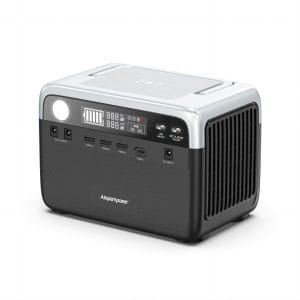
Power outages, rising electricity bills, and the growing demand for reliable backup energy solutions have made portable power stations one of the most essential products for modern homes and businesses. Whether you want to keep your lights on during blackouts, power your TV and WiFi, run CCTV systems, or support small appliances, choosing the right power station can make a huge difference.
At MK Homestyles Kenya, we understand the importance of dependable backup power for homes, offices, shops, and outdoor use. As a trusted MK Homestyles electrical shop and provider of reliable MK Homestyles power solutions, we help customers choose efficient, affordable, and long-lasting energy systems.
This comprehensive guide from MK Homestyles Agencies Limited explains how to choose the best portable power station for your needs, the key features to consider, and common mistakes to avoid before buying.
What is a Power Station?
A power station (also called a portable power station) is a rechargeable energy storage device designed to provide backup electricity whenever needed. Think of it as a large, silent, and safer version of a power bank for your home or business.
Unlike fuel generators, portable power stations:
- Do not require petrol or diesel
- Produce no fumes or smoke
- Operate quietly
- Safe for indoor use
- Can be charged using wall sockets, solar panels, or car chargers
Because of these advantages, power stations have become a popular component of modern MK Homestyles smart-home products and backup energy systems.
At MK Homestyles solar shop, customers can find reliable power stations suitable for apartments, family homes, offices, farms, and outdoor activities.
How to Choose a Power Station for Your Home
If you are wondering how to choose a power station, the first step is understanding your energy needs. Different homes and businesses require different battery capacities depending on the appliances you want to run.
Before buying, ask yourself:
- What devices do I want to power?
- How many hours of backup do I need?
- Will I use the system daily or only during emergencies?
- Do I need solar charging compatibility?
At MK Homestyles Power Solutions, we always recommend selecting a system that matches both your current and future energy needs.
Factors to Consider When Choosing a Power Supply
Understanding the key factors to consider when choosing a power supply helps you avoid overspending or buying an underpowered system.
1. Battery Capacity (Wh)
Battery capacity determines how long the power station can run your devices.
Small Capacity Systems
Best for:
- Phone charging
- LED lights
- WiFi routers
Medium Capacity Systems
Best for:
- TVs
- Fans
- Laptops
- CCTV systems
High-Capacity Systems
Best for:
- Refrigerators
- Multiple appliances
- Office backup
- Full-home energy support
At MK Homestyles Kenya, we help customers choose the correct battery size based on daily usage requirements.
2. Power Output (W)
Power output indicates the number and size of appliances the unit can support simultaneously.
Always check:
- Appliance wattage
- Starting power requirements
- Total simultaneous load
This is especially important when selecting backup systems for businesses and security systems.
3. Charging Options
Modern portable power stations should support multiple charging methods:
- Wall socket charging
- Solar charging
- Car charging
Solar compatibility is becoming increasingly important due to rising electricity costs. At MK Homestyles Solar Solutions, we recommend solar-compatible systems for long-term energy savings and uninterrupted backup power.
4. Battery Type
Most modern systems use either:
- Lithium-ion batteries
- LiFePO4 batteries
LiFePO4 batteries are generally preferred because they:
- Last longer
- Offer better safety
- Handle frequent charging cycles more efficiently
5. Portability
If you plan to move the unit frequently, portability matters.
Look for:
- Lightweight design
- Strong handles
- Compact construction
Portable systems are ideal for camping, outdoor work, emergency backup, and mobile businesses.
6. Safety Features
Reliable power stations should include built-in safety protections such as:
- Overload protection
- Temperature control
- Short-circuit protection
- Overcharge protection
These features improve safety and extend battery lifespan.
At MK Homestyles Agencies Limited, customer safety remains one of our top priorities when selecting backup power products.
How to Choose the Best Portable Power Station for Your Needs
To understand and choose the best portable power station, you must match the system to your lifestyle and energy demands.
For Small Homes & Apartments
Recommended for:
- LED lighting
- Phone charging
- WiFi routers
- Small electronics
A compact or mid-range system is usually sufficient.
For Medium Homes
Recommended for:
- TVs
- Fans
- Routers
- Lighting systems
These homes require medium to high-capacity systems with longer runtime.
For Shops & Businesses
Business owners often need reliable backup for:
- CCTV cameras
- POS systems
- Internet routers
- Security lighting
As part of our MK Homestyles smart home products, we offer dependable power backup solutions designed for business continuity during blackouts.
For Rural or Off-Grid Homes
Off-grid users may require support for:
- Refrigerators
- Water pumps
- Lighting
- Full-home backup
High-capacity solar-compatible systems are highly recommended.
At MK Homestyles Solar Solutions, we provide complete backup systems ideal for rural and off-grid applications.
Best Power Stations (2026 Guide)
When searching for the best power stations in 2026, consider quality, durability, and efficiency in addition to price.
The best systems typically offer:
- Large battery capacity
- Fast charging technology
- Solar compatibility
- Long battery lifespan
- Durable construction
- Multiple charging ports
Entry-Level Power Stations
Ideal for:
- Basic lighting
- Phone charging
- Emergency use
Mid-Range Power Stations
Ideal for:
- Family homes
- TVs
- Internet routers
- Fans
High-Capacity Power Stations
Ideal for:
- Offices
- Farms
- Full-home backup
- Commercial use
Power Station Recommendations for Different Users
Here are some simple recommendations based on user needs:
Students & Apartment Users
Small portable systems for:
- Phones
- WiFi
- LED lighting
Families
Mid-sized systems for:
- TVs
- Fans
- Routers
- Home lighting
Business Owners
Reliable systems for:
- CCTV cameras
- POS machines
- Security systems
- Office backup
Large Homes & Farms
High-capacity systems for:
- Refrigerators
- Water pumps
- Multiple appliances
- Energy independence
Common Mistakes to Avoid When Buying Power Stations
Many buyers make expensive mistakes when selecting backup systems.
Common mistakes include:
- Buying too little battery capacity
- Ignoring appliance watt requirements
- Choosing based only on price
- Overlooking solar charging compatibility
- Ignoring battery lifespan
- Buying low-quality systems with poor safety features
At MK Homestyles electrical shop, we guide customers carefully to ensure they purchase systems that offer long-term value and reliability.
Benefits of Modern Power Stations
Modern portable power stations offer several major advantages:
- Silent operation
- No fuel costs
- Minimal maintenance
- Eco-friendly energy storage
- Indoor-safe operation
- Portable and convenient
- Reliable backup during outages
These systems are quickly becoming a core part of modern MK Homestyles smart home products and energy-saving solutions.
Why Buy Power Stations From MK Homestyles?
Many customers searching online for “Why buy from MK Homestyles?” are looking for reliable products, honest pricing, and dependable support.
At MK Homestyles Kenya, we focus on delivering high-quality backup energy and solar solutions designed for both homes and businesses.
Why Customers Choose MK Homestyles
✔ Genuine and reliable products
✔ Affordable pricing
✔ Expert product guidance
✔ Reliable after-sales support
✔ Fast countrywide delivery
✔ Trusted MK Homestyles power solutions
✔ Quality products from a reliable MK Homestyles electrical shop
✔ Solar-compatible backup systems from MK Homestyles Solar Solutions
✔ Modern MK Homestyles smart home products
✔ Professional support from MK Homestyles Agencies Limited
MK Homestyles Reviews
Customers searching for MK Homestyles Reviews often highlight:
- Affordable pricing
- Reliable customer service
- Genuine products
- Fast delivery
- Quality solar and backup systems
- Helpful technical guidance
As demand for backup power continues to grow, MK Homestyles Kenya remains committed to providing dependable energy solutions for homes, businesses, and outdoor use.
MK Homestyles Power Backup Guide
As part of our MK Homestyles Power Backup Guide, we always recommend:
- Calculating your total power usage before buying
- Choosing solar-compatible systems where possible
- Investing in quality batteries with a longer lifespan
- Buying from trusted suppliers with reliable support
A properly selected power station can provide years of dependable backup energy while reducing stress during outages.
Final Thoughts
Choosing the right backup system does not have to be complicated. Once you understand how to choose the best portable power station and evaluate your energy needs, selecting the right solution becomes much easier.
Whether you need:
- Emergency lighting backup
- Reliable power for your electronics
- Business continuity support
- Solar-powered energy independence
Modern portable power stations offer flexible, efficient, and reliable solutions for everyone.
At MK Homestyles Kenya, we provide high-quality backup systems, solar products, and smart energy solutions designed to keep your home and business powered at all times.
Explore reliable energy products today from MK Homestyles Agencies Limited, your trusted destination for MK Homestyles Solar Solutions, backup power systems, and modern MK Homestyles smart home products.
FAQs
1. What is a portable power station?
A portable power station is a rechargeable battery system that stores electricity and provides backup power for homes, offices, and outdoor use.
2. How do I choose the right power station for my home?
Consider your energy needs, battery capacity (Wh), power output (W), charging options, and how many devices you want to run.
3. Can a power station run a fridge or TV?
Yes, mid to high-capacity power stations can run TVs, and larger systems can support fridges depending on wattage.
4. What is the difference between lithium-ion and LiFePO4 batteries?
LiFePO4 batteries last longer, are safer, and handle more charging cycles than standard lithium-ion batteries.
5. Can I charge a power station with solar panels?
Yes, most modern power stations support solar charging, making them ideal for long-term and off-grid use.
6. How long does a power station last?
Battery life depends on usage and type, but high-quality units can last several years with proper maintenance.
7. Are power stations better than generators?
Yes, they are quieter, safer indoors, require no fuel, and need less maintenance compared to traditional generators.