-1771628551.png)
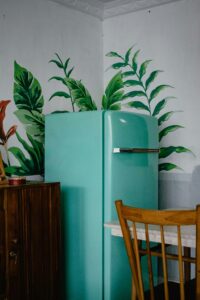
Your TV and refrigerator are two of the most important electrical appliances in your home, but they are also vulnerable to power surges, voltage spikes, and unstable electricity. A sudden increase in voltage can damage sensitive electronic components, burn a power supply board, or, in the case of a refrigerator, damage the compressor and control system.
This is particularly important in areas where electricity supply can fluctuate or where power outages are followed by sudden restoration. Knowing how to protect your TV and fridge from power surges can save you from expensive repairs or having to replace an appliance.
The good news is: you do not have to wait until an appliance is damaged. With the right power surge protection and voltage protection devices, you can significantly reduce the risk.
What Is a Power Surge?
Before choosing a protection device, it is important to understand exactly what a power surge is and why it can damage household appliances. Many homeowners use the terms power surge, voltage fluctuation, and power outage interchangeably, but they are not the same thing.
A power surge is a sudden, short-duration increase in electrical voltage. Your appliances are designed to operate within a specific voltage range. When the voltage rises significantly above the normal supply level, it can put excessive electrical stress on components.
Power surges can happen for several reasons, including:
- Lightning strikes
- Problems with the electricity grid
- Switching of large electrical loads
- Faults in electrical equipment
- Power restoration after an outage
- Problems with household wiring
Even a surge that lasts only a fraction of a second can damage sensitive electronic components.
Power Surge Vs. Voltage Fluctuation
Understanding this difference helps you choose the right protection instead of buying a device simply because it is labelled a “surge protector.”
A power surge is generally a short and sudden increase in voltage. A voltage fluctuation, on the other hand, refers to voltage repeatedly moving above or below the normal level.
Your home may therefore experience:
- High voltage
- Low voltage
- Voltage spikes
- Voltage fluctuations
- Power interruptions
- Sudden power restoration
A conventional surge protector primarily deals with short-duration voltage transients. If your area experiences persistent high or low voltage, you may need a voltage protector, voltage guard, AVR, or another appropriate voltage-regulation device, depending on the appliance and electrical conditions.
This distinction is particularly important when protecting refrigerators, freezers, and other motor-driven appliances.
Why Are TVs Vulnerable to Power Surges?
Modern televisions are much more than simple display devices. A smart TV can contain a power supply board, a processor, Wi-Fi hardware, HDMI circuitry, LED components, and other sensitive electronics.
These components are designed to operate within specified electrical limits. A significant voltage spike can damage the power supply section or other electronic components.
Some common signs of possible power-related TV damage include:
- TV suddenly refuses to switch on
- TV switches off unexpectedly
- Flickering or abnormal display
- HDMI ports stop working
- Burning smell
- Damaged power supply board
- TV repeatedly restarting
This does not mean a power surge causes every TV problem, but unstable electricity can be one possible cause.
How to Protect Your TV From Power Surges
Protecting your television is straightforward when you understand the type of electrical problem you are trying to address. The goal is to prevent excessive voltage from reaching the TV and to disconnect the appliance when the incoming supply becomes unsafe.
Consider the following measures.
1. Use an Appropriate Surge Protector
A quality TV surge protector can help protect against short-duration voltage spikes.
Choose a protection device that is appropriately rated for your electrical system and has suitable protection features. Avoid assuming that every cheap extension socket labelled “surge protector” provides the same level of protection.
For expensive smart TVs and home entertainment systems, investing in proper electrical protection is generally preferable to relying on an ordinary extension cable.
2. Consider a Voltage Protector
If your home experiences frequent voltage fluctuations rather than occasional surges, a voltage protector may be more appropriate.
Some voltage protection devices monitor incoming voltage and disconnect the appliance when the supply moves outside a safe range. Depending on the device, there may also be a built-in delay before reconnecting the appliance.
This can be particularly useful in areas where electricity does not always remain stable.
3. Unplug the TV During Severe Electrical Storms
Surge protection can reduce risk, but no ordinary plug-in device should be treated as a guarantee against a nearby or direct lightning strike.
During severe thunderstorms, unplugging sensitive electronics can provide an additional layer of protection where practical.
4. Avoid Overloading Extension Cables
Plugging multiple high-power appliances into one low-quality extension cable can create additional electrical and safety problems.
Use properly rated cables, sockets, and protection equipment, and avoid connecting several extension boards.
Why Does a Fridge Need Power Surge Protection?
A refrigerator presents a slightly different protection challenge from a television because it contains a compressor motor.
The compressor is responsible for circulating refrigerant and maintaining the cooling cycle. Modern refrigerators may also contain electronic control boards, sensors, inverter systems, and digital controls.
A power problem can therefore affect both the compressor and electronic components.
This is why homeowners searching for a fridge surge protector or refrigerator voltage protector should consider more than simply buying a generic surge-protected extension socket.
How to Protect Your Fridge From Power Surges
The best approach depends on the type of electrical problem experienced at your property. The following measures can help reduce the risk of damage.
1. Install a Dedicated Fridge Protector
A dedicated fridge voltage protector or appliance protection device can monitor incoming electricity and disconnect the refrigerator when the voltage becomes unsafe.
Many refrigerator protection devices also incorporate a time delay.
This is useful because refrigerators should not necessarily restart immediately after electricity returns. A short delay can allow the electrical supply to stabilise before reconnecting the appliance.
2. Protect Against Low and High Voltage
A refrigerator may be affected by both excessive and insufficient voltage.
High voltage can place excessive stress on electrical components, while prolonged low voltage can cause motor-driven equipment to operate under unsuitable conditions.
For this reason, homeowners experiencing frequent voltage fluctuations should consider voltage protection for their fridge, rather than relying exclusively on a basic surge protector.
3. Give the Refrigerator Its Own Socket
Connect the refrigerator to a properly installed wall socket rather than relying on a heavily loaded extension cable.
The circuit and socket should be correctly rated and installed in accordance with applicable electrical requirements.
4. Avoid Immediately Restarting the Fridge
After an outage, allow the electrical supply to stabilise and allow the refrigerator’s protection system or delay function to operate before restarting it.
Repeated rapid switching on and off can be particularly undesirable for compressor-based appliances.
Surge Protector vs Voltage Protector: Which One Do You Need?
This is one of the most important questions homeowners ask when shopping for appliance protection. Although the terms are sometimes used interchangeably, they address different electrical conditions.
| Device | Main purpose | Suitable application |
| Surge protector | Helps suppress short voltage spikes | TVs, electronics, and other sensitive equipment |
| Voltage protector | Disconnects appliances during unsafe voltage conditions | TVs, fridges, and other appliances |
| AVR | Helps regulate voltage within a suitable range | Selected electronics and appliances |
| Delay protector | Delays reconnection after a power interruption | Refrigerators, freezers, and compressors |
| Whole-house surge protection | Protects the electrical installation from transient surges | Homes and larger installations |
The correct choice depends on what is happening with your electricity supply.
If the main problem is occasional transient surges, surge protection may be appropriate. If you regularly experience high voltage, low voltage, or voltage fluctuations, a voltage protection solution may be more suitable.
For some installations, using more than one layer of protection may be appropriate.
What Happens When Power Comes Back After an Outage?
Power restoration is one situation that homeowners should pay attention to. When electricity returns after an outage, the supply may not always stabilise instantly.
Depending on the circumstances, appliances may experience an undesirable voltage condition during restoration.
This is why a delay protection device can be valuable for refrigerators, freezers, pumps, and other equipment containing motors or compressors.
Instead of immediately reconnecting the appliance, a suitable protection device can wait for a preset period before restoring power.
For sensitive electronics such as TVs, proper surge and voltage protection can also reduce the risk associated with unstable electricity.
Can a Power Surge Damage a Fridge Compressor?
Yes, a sufficiently severe electrical event can damage a refrigerator’s electrical and electronic components, including components associated with the compressor.
However, it is important not to assume that a power surge causes every compressor failure. Compressor problems can also result from normal wear, overheating, refrigerant issues, mechanical failure, and other faults.
If your refrigerator repeatedly trips, struggles to start, makes unusual noises, or stops cooling after an electrical event, have it assessed by a qualified appliance technician rather than repeatedly switching it on.
Can a Power Surge Damage a Smart TV?
Yes. A smart TV contains several sensitive electronic components that can be damaged by excessive voltage.
The power supply board is one area that may be affected, but other electronic components can also be vulnerable.
This is why investing in TV power protection can be considerably cheaper than replacing an expensive television after an electrical incident.
Other Ways to Protect Appliances From Unstable Electricity
While dedicated protection devices are important, good electrical practices provide another layer of protection. These measures can help reduce electrical risks throughout your home.
Check Your Home’s Electrical Wiring
If you experience unusually frequent voltage problems, flickering lights, tripping breakers, or burning smells, have your electrical installation inspected by a qualified electrician.
A protection device cannot correct every underlying wiring problem.
Consider Whole-House Surge Protection
If you want protection beyond individual appliances, ask a qualified electrician about a suitable whole-house surge protection system.
This can provide another layer of protection at the electrical distribution point.
Protect Other Sensitive Appliances
Your TV and fridge are not the only appliances that can be affected by electrical problems.
Consider appropriate protection for:
- Computers
- Wi-Fi routers
- Decoders
- Sound systems
- Washing machines
- Microwaves
- Gaming consoles
- CCTV systems
- Solar equipment
- Water pumps
The correct protection method will depend on each appliance’s electrical characteristics.
How to Choose the Best Surge Protector for Your TV and Fridge
Choosing the right protection device should begin with identifying the electrical problem rather than simply searching for the “best surge protector.”
Ask yourself:
Do I experience sudden power spikes?
A surge protector may be appropriate.
Do I experience frequent high or low voltage?
A voltage protector or suitable voltage-regulation solution may be more appropriate.
Does my fridge frequently restart immediately after an outage?
Consider a refrigerator protector with an appropriate time-delay function.
Do I want broader protection for my entire home?
Ask an electrician about whole-house surge protection.
Also, check the device’s electrical rating, compatibility, protection features, and installation requirements before purchasing.
Frequently Asked Questions
Does a fridge need a surge protector?
A refrigerator can benefit from appropriate electrical protection, particularly in areas experiencing voltage fluctuations or unstable electricity. A dedicated refrigerator voltage protector can protect against unsafe voltage conditions and may include a restart delay.
Does a TV need a surge protector?
Using an appropriate surge protector or voltage protection device can reduce the risk of damage from electrical spikes and unstable supply, especially for expensive smart TVs and other sensitive electronics.
What device protects appliances from voltage fluctuations?
A voltage protector, voltage guard, or suitable automatic voltage regulator may be used depending on the nature of the voltage problem and the appliance being protected.
Can a power outage damage appliances?
The outage itself is not necessarily what damages an appliance. Electrical conditions during the interruption or when power is restored can create potentially harmful voltage events.
Is a surge protector enough for a fridge?
Not necessarily. If your home experiences frequent low- or high-voltage events, a dedicated refrigerator voltage protector with appropriate protection and delay functions may be more appropriate than a basic surge protector.
Protect Your Appliances With MK Homestyles
Your TV and refrigerator represent a significant investment, and replacing a damaged appliance can be far more expensive than installing the right protection device in the first place. The key is to identify whether your home is experiencing power surges, voltage spikes, low voltage, high voltage, or general voltage fluctuations, then choose protection designed for that specific problem.
At MK Homestyles, we provide practical power solutions, electrical products, and smart home products in Kenya to help homeowners and businesses protect their valuable equipment. If you are unsure whether you need a surge protector, voltage protector, AVR, or another protection device, contact the MK Homestyles team before purchasing. The right protection starts with understanding the electrical problem you are trying to solve.
Protect your appliances today with reliable power protection solutions from MK Homestyles Kenya.