-1771628551.png)
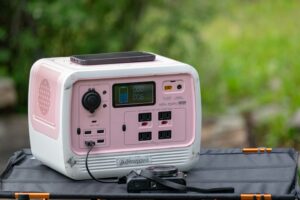
As solar energy adoption continues to grow across Kenya, choosing the right solar battery has become just as important as selecting quality solar panels or an efficient inverter. Whether you’re installing a new off-grid solar system, upgrading your home backup power solution, or expanding a commercial solar installation, your battery determines how much energy you can store, how long your system lasts, and how reliable your backup power will be.
Among the most popular options available today are lithium batteries and gel batteries. While both are designed to store electricity for later use, they differ significantly in lifespan, charging speed, maintenance requirements, efficiency, and overall value. This detailed guide compares Lithium vs Gel Batteries to help you determine the best solar battery for your needs in Kenya.
What Is a Lithium Battery?
Lithium batteries, particularly Lithium Iron Phosphate (LiFePO₄) batteries, have become the preferred energy storage solution for modern solar systems. Unlike traditional lead-acid batteries, lithium batteries use advanced battery chemistry that provides higher energy density, longer cycle life, faster charging, and improved efficiency.
Most premium lithium batteries include a Battery Management System (BMS) that continuously monitors voltage, current, and temperature. The BMS protects the battery against overcharging, over-discharging, overheating, and short circuits, helping extend battery life and improve safety.
Key Features of Lithium Batteries
- Long lifespan of up to 10–15 years
- 4,000–8,000+ charging cycles (depending on quality and operating conditions)
- Lightweight and compact design
- High energy density
- Fast charging capability
- Maintenance-free operation
- High round-trip efficiency (typically 95–98%)
- Supports deep discharge without significantly affecting lifespan
- Excellent performance with hybrid and off-grid solar systems
Lithium batteries are now widely used in residential homes, commercial buildings, hospitals, schools, telecommunications infrastructure, and industrial facilities because of their reliability and long-term cost savings.
What Is a Gel Battery?
Gel batteries are a type of sealed lead-acid battery that uses silica to turn the electrolyte into a gel-like substance. This design prevents leakage, reduces maintenance, and improves safety compared to flooded lead-acid batteries.
For many years, gel batteries have been a popular choice for solar energy storage in Kenya because they offer a good balance between affordability and dependable performance. They remain a practical solution for users with moderate energy demands and lower upfront budgets.
Key Features of Gel Batteries
- Maintenance-free design
- Spill-proof sealed construction
- Reliable deep-cycle performance
- Suitable for moderate solar applications
- Lower purchase price than lithium batteries
- Proven technology with wide availability
- Operates safely in various weather conditions
While gel batteries remain effective, they generally have shorter lifespans, lower usable capacity, and slower charging rates than lithium batteries.
Lithium vs Gel Batteries: Understanding the Key Differences
Although both battery technologies store energy, their performance differs considerably in real-world solar applications. Understanding these differences helps you choose a battery that matches your energy needs, budget, and long-term goals.
1. Lifespan
Battery lifespan is one of the most important considerations because replacing batteries is often the most expensive maintenance cost in a solar system.
A quality lithium battery can last 10–15 years with proper use, delivering thousands of charging and discharging cycles. Many LiFePO₄ batteries are rated for 4,000 to over 8,000 cycles, making them ideal for daily cycling in solar systems.
By comparison, a gel battery typically lasts 3–7 years, with an expected cycle life of approximately 500–1,500 cycles, depending on depth of discharge, charging practices, and environmental conditions.
Winner: Lithium Battery
2. Depth of Discharge (DoD)
Before comparing battery capacities, it’s important to understand Depth of Discharge (DoD). This refers to the percentage of a battery’s capacity that can be safely used without significantly reducing its lifespan.
Lithium batteries generally allow 80–100% usable capacity, meaning you can utilise almost all of the stored energy.
Gel batteries are usually limited to around 50–60% usable capacity if you want to preserve their service life. Regularly discharging them beyond this level can accelerate wear.
For example:
- A 100Ah lithium battery may provide around 90–100Ah of usable energy.
- A 100Ah gel battery is often best limited to about 50–60Ah of usable energy.
Winner: Lithium Battery
3. Charging Speed
Charging efficiency directly affects how quickly your battery is ready to supply power again.
Lithium batteries accept higher charging currents and can recharge much faster than gel batteries. This is particularly valuable during cloudy weather or when solar charging hours are limited.
Gel batteries require slower, carefully controlled charging to avoid overheating and damage. Overcharging can reduce their lifespan.
If your home experiences frequent power outages or relies heavily on solar energy, faster charging can significantly improve system performance.
Winner: Lithium Battery
4. Energy Efficiency
Energy efficiency measures how much stored electricity you can recover after charging.
Lithium batteries typically achieve 95–98% round-trip efficiency, meaning very little energy is lost during charging and discharging.
Gel batteries typically operate at 80–85% efficiency, leading to higher energy losses over time.
Higher efficiency means:
- More usable electricity
- Better solar system performance
- Reduced charging time
- Lower long-term operating costs
Winner: Lithium Battery
5. Maintenance Requirements
One of the biggest advantages of modern battery technology is reduced maintenance.
Lithium batteries are virtually maintenance-free. The integrated Battery Management System automatically protects and optimises battery performance without user intervention.
Gel batteries are also maintenance-free because they are sealed, but they require careful charging using the correct charge profile to maximise lifespan.
Both options eliminate the need to top up water as required with flooded lead-acid batteries.
Winner: Tie
6. Weight and Installation
The physical size and weight of your battery can influence installation costs and available storage space.
Lithium batteries are significantly lighter and more compact than equivalent gel batteries because they have a much higher energy density.
This makes them ideal for:
- Homes with limited installation space
- Mobile solar systems
- RVs and caravans
- Boats
- Small inverter installations
Gel batteries are noticeably heavier and require more installation space.
Winner: Lithium Battery
7. Cost Comparison
Price is often the first factor buyers consider, but it’s important to look beyond the initial purchase cost.
Gel batteries generally cost less upfront, making them attractive for homeowners with limited budgets or occasional backup power needs.
Lithium batteries have a higher initial purchase price but usually deliver much better long-term value because they:
- Last several times longer
- Require fewer replacements
- Provide more usable energy
- Charge faster
- Operate more efficiently
Over a period of 10 years, many users find that lithium batteries offer a lower cost per kilowatt-hour of stored energy.
Winner: Gel Battery (initial cost)
Winner: Lithium Battery (lifetime value)
Performance During Power Outages
Reliable backup power is essential in areas with frequent power outages.
Lithium batteries perform exceptionally well because they:
- Deliver stable voltage under heavy loads
- Recharge quickly when power returns
- Support high-power appliances
- Recover rapidly after deep discharge
Gel batteries also provide dependable backup power but may experience reduced voltage as they discharge and generally require longer recharge times.
For homes relying on solar energy every day, lithium batteries usually provide a more consistent user experience.
Which Battery Is Better for Solar Systems?
Choosing the right battery depends on how your solar system will be used.
Lithium Batteries Are Best For:
- Daily solar energy storage
- Off-grid homes
- Hybrid solar systems
- Businesses
- Hospitals
- Schools
- Farms
- Commercial buildings
- High electricity consumption
- Frequent power outages
- Long-term investment
Gel Batteries Are Best For:
- Smaller solar installations
- Budget-conscious buyers
- Occasional backup power
- Weekend homes
- Low-energy applications
- Existing lead-acid battery systems
Safety Considerations
Safety is an important aspect of any battery installation.
Modern LiFePO₄ lithium batteries are considered among the safest lithium battery technologies available. Their chemistry offers excellent thermal stability, and the integrated Battery Management System helps prevent overcharging, excessive discharge, overheating, and short circuits.
Gel batteries are also regarded as safe because they are sealed and do not leak under normal operating conditions. However, both battery types should be installed according to the manufacturer’s guidelines in a well-ventilated area where applicable and paired with compatible charging equipment.
Environmental Impact
As more homeowners and businesses adopt renewable energy, environmental considerations are becoming increasingly important.
Lithium batteries generally have a longer service life, meaning fewer replacements and less waste over time. Their higher efficiency also helps maximise the energy generated by solar panels.
Gel batteries can be recycled through established lead-acid recycling programs, but their shorter lifespan means they typically need to be replaced more frequently.
Choosing a durable, high-quality battery and recycling it responsibly at the end of its life helps reduce environmental impact regardless of the technology used.
Lithium vs Gel Batteries: Comparison Table
| Feature | Lithium Battery | Gel Battery |
| Lifespan | 10–15 Years | 3–7 Years |
| Charging Cycles | 4,000–8,000+ | 500–1,500 |
| Usable Capacity | 80–100% | 50–60% |
| Charging Speed | Very Fast | Moderate to Slow |
| Energy Efficiency | 95–98% | 80–85% |
| Weight | Lightweight | Heavy |
| Maintenance | Maintenance-Free | Maintenance-Free |
| Initial Cost | Higher | Lower |
| Long-Term Value | Excellent | Moderate |
| Best For | Daily Solar Storage | Budget Installations |
Frequently Asked Questions
Which is better, a lithium or gel battery?
For most modern solar systems, lithium batteries are the better choice because they last longer, charge faster, provide higher usable capacity, and deliver better long-term value. Gel batteries remain a solid option for buyers with smaller budgets or lighter energy requirements.
Can I replace my gel battery with a lithium battery?
Yes. In many cases, you can upgrade from a gel battery to a lithium battery. However, it’s important to ensure that your inverter and charge controller are compatible with lithium battery charging profiles. Some older systems may require configuration changes or firmware updates.
Which battery lasts longer?
Lithium batteries generally last between 10 and 15 years, while gel batteries typically last 3 to 7 years, depending on usage, charging practices, and environmental conditions.
Which battery charges faster?
Lithium batteries recharge significantly faster than gel batteries because they can safely accept higher charging currents and maintain higher charging efficiency.
Are lithium batteries worth the extra cost?
If you use your solar system regularly, lithium batteries often provide the best return on investment. Their longer lifespan, higher efficiency, greater usable capacity, and lower replacement frequency usually offset the higher initial purchase price over time.
Final Verdict: Which Solar Battery Should You Choose?
If you’re looking for the best solar battery for a modern home, business, or off-grid installation in Kenya, Lithium Iron Phosphate (LiFePO₄) batteries are the clear winner. They offer longer lifespans, faster charging, higher energy efficiency, greater usable capacity, and lower long-term ownership costs.
However, gel batteries remain a dependable and cost-effective solution for users with lower energy demands, occasional backup power needs, or tighter budgets. They continue to provide reliable performance when properly installed and maintained within their recommended operating limits.
At MK Homestyles Electricals & Solar, we supply high-quality lithium batteries, gel batteries, inverters, solar panels, and complete solar energy storage solutions to suit every application and budget. Whether you’re building a new solar system or upgrading an existing one, choosing the right battery today will help ensure dependable, efficient, and cost-effective power for years to come.