-1771628551.png)
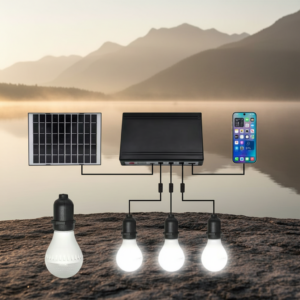
Solar energy has become one of the fastest-growing energy solutions in Kenya. With rising electricity costs, frequent power outages in some regions, and increased demand for reliable energy in homes and businesses, more Kenyans are turning to solar power systems as a long-term solution.
A well-designed solar system not only reduces electricity bills but also provides energy independence, especially in rural and off-grid areas. However, choosing the right system can be confusing due to the many options available in the market.
This comprehensive solar panel buying guide in Kenya explains everything you need to know before investing in a solar energy system—from panel types to pricing, system sizing, installation, and common mistakes to avoid.
Understanding How Solar Panels Work
Solar panels convert sunlight into electricity using photovoltaic (PV) cells. When sunlight hits these cells, they generate direct current (DC) electricity, which an inverter converts into alternating current (AC) for use in household appliances.
A complete solar power system typically includes:
- Solar panels (generate electricity)
- Solar inverter (converts DC to AC power)
- Solar battery (stores energy for later use)
- Charge controller (regulates battery charging)
- Mounting structure and wiring
Understanding these components is essential when selecting the best solar system for home use in Kenya.
Types of Solar Panels Available in Kenya
When choosing solar panels in Kenya, understanding the different types available on the market is one of the most important steps in selecting the right solar energy system. The type of solar panel you choose will directly affect your system’s efficiency, power output, durability, installation requirements, and overall return on investment.
Kenya’s abundant sunshine makes solar energy a practical and cost-effective solution for homes, businesses, farms, schools, and institutions. However, not all solar panels are designed the same way. The three main types of solar panels available in Kenya are Monocrystalline Solar Panels, Polycrystalline Solar Panels, and Thin-Film Solar Panels. Each type has unique characteristics, advantages, and ideal applications.
1. Monocrystalline Solar Panels
Monocrystalline Solar Panels are widely regarded as the most efficient and premium-quality panels available in the solar industry. They are manufactured from a single pure silicon crystal, which allows electrons to move more freely and generate more electricity from the same amount of sunlight.
monocrystalline panels maximize energy production while occupying less roof space. They are easily recognizable by their uniform black appearance and sleek design.
Advantages:
- High efficiency (18%–22%), making them among the most productive solar panels available.
- Long lifespan (25+ years) with minimal degradation over time.
- Perform well in a limited space, generating more power per square meter than other panel types.
- Better performance in low-light conditions, such as cloudy weather and early morning sunlight.
- Higher energy output, which can reduce the number of panels required for a solar installation.
- Excellent long-term return on investment due to superior durability and efficiency.
Best for:
- Homes with limited roof space or users looking for high performance.
- Urban homes where maximizing roof space is important.
- Commercial buildings seeking maximum energy generation.
- Homeowners investing in long-term energy savings.
Although monocrystalline panels typically cost more upfront, their higher efficiency often results in greater electricity savings over the lifetime of the system.
2. Polycrystalline Solar Panels
Polycrystalline Solar Panels are among the most commonly installed solar panels in Kenya due to their balance between affordability and performance. They are manufactured with multiple silicon crystals melted together, making production less expensive than monocrystalline panels.
For many households and businesses seeking an affordable entry into solar energy, polycrystalline panels offer a practical solution without significantly compromising reliability.
Advantages:
- Lower cost compared to monocrystalline panels.
- Reliable performance for residential and commercial applications.
- Suitable for large installations where roof space is not a major limitation.
- Widely available in the Kenyan solar market.
- Durable construction with a lifespan that can exceed 20 years when properly maintained.
- Good energy production under Kenya’s favorable sunlight conditions.
Best for:
- Budget-conscious buyers and large rooftops.
- Rural homes with ample roof space.
- Schools, churches, farms, and institutions requiring larger solar arrays.
- Businesses looking to reduce installation costs while still benefiting from solar power.
While polycrystalline panels generally have slightly lower efficiency than monocrystalline models, they remain an excellent option for many Kenyan consumers seeking affordable solar solutions.
3. Thin-Film Solar Panels
Thin-Film Solar Panels are less common in residential use but are used in specialized applications where flexibility, weight, and unique installation requirements are important considerations. Unlike crystalline silicon panels, thin-film technology involves depositing photovoltaic materials onto a thin substrate.
Because of their lightweight construction, thin-film panels can be installed in locations where traditional rigid panels may not be practical.
Advantages:
- Lightweight and flexible, making them easier to transport and install.
- Perform better in high temperatures, maintaining efficiency in hot climates.
- Suitable for unconventional surfaces and specialized commercial projects.
- Can be integrated into certain building materials and portable solar systems.
- Lower manufacturing costs in some applications.
Disadvantages:
- Lower efficiency compared to monocrystalline and polycrystalline panels.
- Requires more space to generate the same amount of electricity.
- Shorter lifespan in some cases compared to crystalline silicon panels.
- Less commonly stocked by solar suppliers in Kenya.
Best for:
- Large commercial installations with abundant installation space.
- Mobile and portable solar applications.
- Specialized industrial and architectural projects.
- Situations where lightweight solar solutions are required.
For most residential solar systems in Kenya, monocrystalline and polycrystalline panels remain the preferred choices due to their higher efficiency and proven performance.
How to Choose Solar Panels in Kenya
Choosing the right solar panels in Kenya involves more than simply comparing prices or selecting the largest panel available. A solar power system is a long-term investment that should be carefully matched to your energy requirements, budget, location, and future electricity needs. Whether you are installing a system for a home, business, farm, school, or commercial property, taking time to evaluate the key factors below will help you maximize efficiency, reliability, and return on investment.
1. Determine Your Energy Consumption
The first and most important step when selecting a solar power system is understanding how much electricity you consume daily. The size of your solar panels, battery bank, and inverter will depend on your energy usage.
Start by listing all appliances you want your solar system to power, including:
- Lights
- TV
- Fridge
- Water pump
- Laptop and phone charging
- Wi-Fi router
- Microwave
- Electric fence
- Security cameras
- Fans and other household appliances
For each appliance, note its power rating in watts and estimate how many hours it operates per day. Multiply the wattage by the number of hours used to calculate daily energy consumption in watt-hours (Wh).
For example:
- 10W LED bulb × 5 hours = 50Wh
- 150W television × 4 hours = 600Wh
- 200W fridge × 8 hours = 1,600Wh
Adding these figures together gives you your total daily energy requirement. This calculation helps determine the correct solar panel capacity, battery storage size, and inverter rating needed to power your home reliably.
Choosing a system based on actual energy consumption helps avoid the common mistake of purchasing a system that is either too small to meet your needs or unnecessarily large and expensive.
2. Consider Solar Panel Efficiency
Solar panel efficiency refers to the percentage of sunlight a panel can convert into usable electricity. Higher efficiency panels generate more power from the same amount of sunlight and require less installation space.
This factor is especially important in urban areas where roof space may be limited.
Why Efficiency Matters
- Produces more electricity per square meter.
- Reduces the number of panels required.
- Maximizes energy generation throughout the year.
- Can lower installation costs where roof space is restricted.
If your roof space is small, monocrystalline solar panels are usually the best option because they offer the highest efficiency, typically from 18% to 22%.
If you have a larger roof and are working within a tighter budget, polycrystalline solar panels can still provide reliable performance while reducing upfront costs.
When comparing solar panels in Kenya, always review the manufacturer’s efficiency rating rather than focusing solely on the purchase price.
3. Check Battery Capacity
Battery storage is a critical component of any off-grid or hybrid solar system. The battery determines how long you can use stored solar energy at night, in cloudy weather, or during power outages.
A properly sized battery bank ensures uninterrupted power supply and improves the reliability of your solar installation.
Lithium-Ion Batteries
Lithium-ion batteries have become increasingly popular in Kenya due to their superior performance.
Benefits include:
- Longer lifespan (typically 8–15 years)
- Faster charging times
- Higher usable capacity
- Minimal maintenance requirements
- Greater energy efficiency
Although lithium batteries have a higher initial cost, they often provide better long-term value because they last significantly longer than traditional battery technologies.
Lead-Acid Batteries
Lead-acid batteries remain widely used because of their lower purchase price.
Benefits include:
- Lower upfront investment
- Readily available in the Kenyan market
Limitations include:
- Shorter lifespan
- Require regular maintenance
- Lower depth of discharge
- Lower charging efficiency
When choosing battery storage, consider not only the purchase price but also lifespan, maintenance costs, and replacement frequency.
4. Evaluate Inverter Size
The inverter is often described as the heart of a solar power system because it converts direct current (DC) electricity generated by solar panels into alternating current (AC) electricity used by household appliances.
Selecting the correct inverter size is essential for system performance and safety.
A small inverter may overload when multiple appliances operate simultaneously, causing system shutdowns or equipment damage. On the other hand, an oversized inverter can increase system costs without providing significant benefits.
Factors to Consider
- Total power demand of all connected appliances
- Future expansion plans
- Starting surge requirements of motors and pumps
- Type of solar system (off-grid, hybrid, or grid-tied)
For example, if your appliances require a combined load of 3,000 watts, it is generally advisable to select an inverter with some additional capacity to accommodate power surges and future energy needs.
Investing in a high-quality inverter can improve overall system efficiency and ensure reliable operation for many years.
5. Warranty and Quality Certification
Solar equipment is expected to operate for decades, making product quality and warranty coverage extremely important considerations.
Unfortunately, the Kenyan market contains a wide range of products, including some low-quality imports that may fail prematurely. Choosing certified products from reputable manufacturers helps protect your investment and ensures consistent performance.
Always Choose Certified Solar Products With:
- 10–25 years panel warranty
- 5–10 years inverter warranty
- Performance guarantees from established manufacturers
- International quality certifications such as IEC, TUV, CE, or UL standards
A strong warranty demonstrates the manufacturer’s confidence in the product’s durability and performance.
In addition to reviewing warranties, consider the reputation of the supplier and installer. Reputable solar companies provide after-sales support, maintenance services, and technical assistance when needed.
Additional Factors to Consider When Buying Solar Panels in Kenya
Beyond panel efficiency, battery capacity, and inverter size, it is also important to evaluate:
- Available roof space and orientation
- Shading from trees or nearby buildings
- Local weather conditions
- Future energy expansion requirements
- Installation quality
- Budget and financing options
A properly designed solar power system should meet your current energy needs while allowing room for future growth as your electricity consumption increases.
By carefully assessing your energy consumption, solar panel efficiency, battery storage requirements, inverter size, and product warranties, you can confidently choose the best solar panels in Kenya and enjoy reliable, cost-effective renewable energy for many years.
Solar Panel Prices in Kenya (2026 Guide)
Understanding solar panel prices in Kenya is essential for anyone planning to invest in a solar energy system for their home, business, farm, or institution. The cost of solar power systems varies widely depending on several key factors, including the brand of equipment, panel capacity (wattage), battery storage size, inverter quality, and overall system design.
Kenya’s solar market has grown rapidly due to increasing electricity costs and the need for reliable off-grid and backup power solutions. As a result, prices have become more competitive, but they still differ based on quality and system requirements. Below is a detailed breakdown of average market prices and installation costs in 2026.
Average Solar Panel Price Estimates in Kenya
The cost of individual solar panels in Kenya depends mainly on their wattage, efficiency, and manufacturer. Higher wattage panels generally produce more electricity and reduce the number of panels required for a system.
Common Solar Panel Prices:
- 100W solar panel: KSh 6,000 – 10,000
- 200W solar panel: KSh 12,000 – 18,000
- 300W solar panel: KSh 18,000 – 25,000
These prices reflect typical market rates for standard-quality panels available in Kenya. Premium brands such as monocrystalline panels may cost more but offer higher efficiency, durability, and longer lifespans, often exceeding 25 years of service.
In addition to individual panels, many homeowners opt for complete solar systems to power their entire home.
Complete Solar System Price Estimates:
- Small home solar system (1–2kW): KSh 150,000 – 300,000
- Medium home solar system (3–5kW): KSh 450,000 – 750,000
- Large home solar system (6–10kW): KSh 900,000 – 1.5M
A complete system typically includes solar panels, an inverter, battery storage, a charge controller, wiring, and installation costs.
Installation Costs of Solar Panels in Kenya
The cost of installing solar panels in Kenya depends on several technical and site-specific factors. While the hardware (panels and batteries) forms the largest portion of the total investment, installation costs are also significant because they involve technical labor, system configuration, safety wiring, and mounting structures.
Typical Installation Costs:
- Basic installation: KSh 20,000 – 50,000
- Medium system installation: KSh 50,000 – 100,000
- Large or complex systems: KSh 100,000 – 150,000+
Installation charges may increase if the system requires:
- Roof reinforcement or complex mounting structures
- Long cable runs between panels and battery storage
- Integration of hybrid systems (solar + grid or generator backup)
- Advanced inverter programming and monitoring systems
- Multi-building or commercial installations
Professional installation is highly recommended to ensure safety, efficiency, and long-term system performance. Poor installation can lead to energy losses, equipment damage, or reduced system lifespan.
Cost of Installing Solar Panels in Kenya
The cost of installing solar panels in Kenya is influenced by many important factors determining the overall system design and performance.
1. System Size (Small Home vs Commercial Use)
Larger systems require more solar panels, bigger inverters, and higher-capacity batteries. A small home system designed for lighting and basic appliances will cost significantly less than a commercial system powering offices, farms, or industrial equipment.
2. Battery Type and Capacity
Battery storage is one of the most expensive components in a solar system.
- Lithium-ion batteries cost more upfront but offer longer lifespan, higher efficiency, and faster charging.
- Lead-acid batteries are cheaper but require more maintenance and have a shorter lifespan.
The more backup power you need, the higher the total system cost.
3. Roof Type and Installation Complexity
Installation costs vary depending on the structure of your roof:
- Flat roofs may require additional mounting structures
- Metal sheet roofs are easier and cheaper to install on
- High-rise or multi-story buildings increase labor costs
- Hard-to-access rooftops increase installation time and cost
4. Quality of Components
High-quality solar systems from reputable manufacturers may cost more initially but provide better long-term value. Certified panels, inverters, and batteries reduce maintenance costs and increase system lifespan.
Return on Investment (ROI) for Solar Systems in Kenya
Although the upfront cost of solar installation may appear high, solar energy provides significant long-term savings. Most households in Kenya recover their investment within 3 to 6 years, depending on electricity usage and system size.
After the payback period, users enjoy nearly free electricity for many years, making solar one of the most cost-effective energy solutions available today.
Additionally, solar systems increase property value and protect against rising electricity tariffs and frequent power outages.
Best Solar System for Home in Kenya
Choosing the best solar system for a home in Kenya depends on several important factors, including household size, daily electricity consumption, number of appliances, and future energy needs. A properly sized solar system ensures a reliable power supply, reduces electricity costs, and prevents issues such as power shortages, battery over-discharge, or system overload.
Kenya’s growing demand for renewable energy has led to a wide range of solar system options designed specifically for residential use. These systems are generally categorized into small, medium, and large home setups based on energy capacity measured in kilowatts (kW). Each category is designed to meet different levels of household electricity demand.
Small Home Solar System (1–2kW System)
A 1–2kW solar system is ideal for small households or individuals with minimal electricity usage. This type of system is commonly used in rural homes, small apartments, or backup power setups for essential appliances.
Typical Uses:
- Lighting (LED bulbs and energy-saving lights)
- Television (small to medium size)
- Phone and laptop charging
- Wi-Fi router and basic electronics
Key Features:
- Low energy consumption setup
- Affordable initial investment
- Suitable for basic daily needs
- Can operate effectively with a small battery bank
This system is designed to cover only the essential energy needs. It is not suitable for heavy appliances such as refrigerators, water pumps, or electric cookers. However, it is an excellent entry-level solution for households looking to reduce reliance on the national grid or eliminate electricity costs for basic usage.
Medium Home Solar System (3–5kW System)
A 3–5kW solar system is the most common choice for many Kenyan households. It provides a balanced solution that supports both essential and moderate household electricity needs.
Typical Uses:
- Refrigerator and freezer
- Television and entertainment systems
- Lighting for multiple rooms
- Small kitchen appliances (blender, kettle, toaster)
- Laptops, phones, and other electronics
- Security systems such as CCTV cameras and electric fencing
Key Features:
- Balanced energy output for average households
- Reliable backup during power outages
- Supports multiple appliances running simultaneously
- Suitable for urban and suburban homes
The medium solar system is widely regarded as the best solar system for a home in Kenya for average families. It offers a strong balance between cost, performance, and energy independence. With proper battery storage, this system can provide power during the night and during periods of low sunlight.
Large Home Solar System (6–10kW System)
A 6–10kW solar system is designed for large households or homes with high electricity demand. This system is powerful enough to run almost all household appliances, including heavy-load equipment.
Typical Uses:
- Refrigerators and deep freezers
- Water pumps and borehole pumps
- Microwave ovens and electric cookers (limited usage)
- Multiple televisions and entertainment systems
- Air conditioning units (depending on system size)
- Washing machines and ironing equipment
- Full lighting for large homes or multi-floor houses
Key Features:
- High energy output suitable for heavy usage
- Can support multiple high-power appliances simultaneously
- Ideal for large families or luxury homes
- Often paired with high-capacity lithium battery storage
This system is ideal for homeowners seeking complete energy independence. It can function as a full replacement for grid electricity when properly sized and installed. However, it requires a higher initial investment and professional system design to ensure efficiency and long-term reliability.
How to Choose the Best Solar System for Homes in Kenya
Selecting the right system requires careful assessment of your household energy needs. It is important to consider not only current usage but also future expansion, such as adding more appliances or increasing household members.
Key considerations include:
- Total daily energy consumption (in kWh)
- Type and number of appliances
- Battery storage capacity required for nighttime use
- Roof space available for solar panels
- Budget and long-term savings goals
- Reliability of solar components and installation quality
A properly designed solar system ensures maximum efficiency, reduces energy waste, and provides an uninterrupted power supply throughout the day and night.
Solar Maintenance Tips in Kenya
To maximize system lifespan:
- Clean panels regularly (dust reduces efficiency)
- Avoid shading from trees or buildings
- Inspect wiring annually
- Monitor battery health
- Service the inverter periodically
Proper maintenance can increase efficiency by up to 20%.
Benefits of Solar Energy in Kenya
Switching to solar provides multiple advantages:
- Reduced electricity bills
- Energy independence
- Environmentally friendly power source
- Reliable during blackouts
- Suitable for rural electrification
Common Mistakes When Buying Solar Panels
These are the most common errors people make when buying solar panels:
- Buying undersized systems
- Ignoring battery quality
- Choosing cheap uncertified panels
- Poor installation practices
- Not considering future energy expansion
Solar Panel Installation in Kenya
Professional installation ensures:
- Proper system sizing
- Safe wiring
- Maximum efficiency
- Warranty protection
Always work with certified installers like MK Homestyles, who provide complete solar solutions, including supply, installation, and maintenance support.
Buy a Solar Panel From MK Homestyles
Investing in solar energy is one of the smartest financial and lifestyle decisions in Kenya today. With the right system, you can enjoy uninterrupted power, lower electricity bills, and long-term energy independence.
Whether you are choosing a small home setup or a full commercial system, understanding panel types, costs, and installation requirements is key to making the right decision.
MK Homestyles is committed to helping Kenyan households and businesses transition to reliable, affordable, and sustainable solar energy solutions.
Explore MK Homestyles solar shops range of affordable solar panels. Order today and enjoy uninterrupted power, lower electricity costs, and total energy independence.
FAQ: Solar Panel Buying Guide in Kenya
What is the best solar panel in Kenya?
The best solar panels in Kenya are monocrystalline panels due to their high efficiency, durability, and better performance in limited space.
How much do solar panels cost in Kenya?
Solar panel prices in Kenya range from KSh 6,000 for small panels to over KSh 1,500,000 for complete home systems, depending on size and capacity.
How to determine the size of a solar system in Kenya?
To determine the size of a solar system in Kenya, calculate your total daily energy usage in watt-hours, then match it with the appropriate panel, battery, and inverter capacity.
What is the best solar setup for home backup in Kenya?
A 3–5kW system with lithium battery storage is ideal for most Kenyan homes, powering essential appliances during outages.
What should I consider when buying solar panels in Kenya?
Consider efficiency, battery storage, inverter size, warranty, installation quality, and your total energy needs.
Are solar panels worth it in Kenya?
Yes. Solar panels significantly reduce electricity costs and provide reliable power, especially in areas with unstable grid electricity.