-1771628551.png)
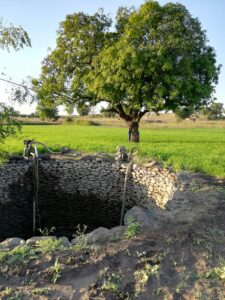
Choosing the right water pump is one of the most important decisions for farmers, homeowners, institutions, and businesses in Kenya. Whether you need water for irrigation, livestock, domestic use, or commercial operations, your choice of pump will significantly affect your long-term operating costs, reliability, and overall productivity.
For many years, diesel water pumps have been the preferred option because of their portability and ability to operate almost anywhere. However, with rising fuel prices, increased maintenance costs, and the rapid adoption of renewable energy, solar water pumps in Kenya have become a cost-effective and environmentally friendly alternative.
So, which is better: a solar pump or a diesel pump? The answer depends on your water needs, budget, location, and long-term goals. This comprehensive guide compares solar pumps with diesel pumps on cost, efficiency, maintenance, lifespan, environmental impact, and performance to help you make the best investment.
What Is a Solar Water Pump?
Solar water pumps are transforming agriculture and water supply across Kenya by harnessing free energy from the sun rather than expensive fuel. They are particularly popular in off-grid areas where electricity is unavailable or unreliable.
A solar water pump uses electricity generated by solar panels to power a pump that draws water from boreholes, rivers, dams, shallow wells, or storage tanks. Most systems consist of solar panels, a pump controller (often with MPPT technology), and either a DC or AC water pump.
Unlike diesel pumps, solar pumps do not require fuel to operate. Once installed, they harness sunlight every day to provide a consistent water supply with minimal operating costs.
Common applications include:
- Irrigation farming
- Borehole water supply
- Livestock watering
- Greenhouse irrigation
- Domestic water systems
- Community water projects
- Hotels and lodges
- Schools and institutions
One of the biggest advantages of solar pumping systems is their ability to operate automatically during daylight hours, reducing labor requirements while lowering operating expenses.
What Is a Diesel Water Pump?
Diesel water pumps have been widely used in Kenya for decades because they are powerful, portable, and capable of pumping large volumes of water. They remain a practical choice where immediate high water output is required or where solar installation is not yet feasible.
A diesel pump uses an internal combustion engine powered by diesel fuel to drive the pumping mechanism. Since it does not depend on sunlight or electricity, it can operate at any time, provided there is enough fuel available.
Diesel pumps are commonly used for:
- Emergency irrigation
- Construction sites
- Flood control
- Large-scale farming
- Temporary water transfer
- Mining operations
- Remote water pumping projects
While diesel pumps provide flexibility, they also require regular refuelling, engine servicing, oil changes, and mechanical maintenance, which increase operating costs over time.
Solar Pumps vs Diesel Pumps: A Detailed Comparison
Both pump types have strengths and limitations. Understanding how they compare across key performance areas will help you choose the most suitable solution for your needs.
1. Initial Investment
Solar water pumps generally require a higher upfront investment because they include solar panels, mounting structures, controllers, and installation.
Diesel pumps usually cost less initially, making them attractive for buyers with limited budgets.
However, the purchase price tells only part of the story. The total cost of ownership over several years often paints a very different picture.
Winner: Diesel pump (short-term affordability)
2. Running Costs
Running costs are where solar pumps clearly outperform diesel pumps.
Solar water pumps use free sunlight, meaning there are virtually no fuel expenses after installation.
Diesel pumps require continuous fuel purchases, and fuel prices in Kenya have steadily increased over the years. A pump operating daily for irrigation can consume significant amounts of diesel, substantially increasing monthly expenses.
For farms operating year-round, fuel costs alone can eventually exceed the original purchase price of the diesel pump.
Winner: Solar pump
3. Maintenance Requirements
Maintenance is another area where solar pumps have a significant advantage.
Solar pumps contain fewer moving mechanical components. Routine maintenance usually involves:
- Cleaning solar panels
- Inspecting electrical connections
- Checking pump performance
- Occasional controller servicing
Diesel pumps require:
- Regular engine servicing
- Oil replacement
- Fuel filter replacement
- Air filter cleaning
- Engine repairs
- Replacement of worn engine components
Over several years, diesel maintenance costs accumulate considerably.
Winner: Solar pump
4. Reliability
Reliability depends on operating conditions.
Solar pumps provide dependable performance throughout sunny days and continue functioning for many years with minimal maintenance. Kenya’s abundant sunshine makes solar pumping especially reliable across most regions.
Diesel pumps can operate day or night, regardless of weather, but depend entirely on fuel availability and proper engine maintenance.
If fuel becomes unavailable or the engine develops mechanical problems, pumping stops immediately.
Winner: Tie (depending on application)
5. Lifespan
A quality solar pumping system can operate for over 20 years, with solar panels often lasting 25 years or more. Pump controllers and pumps may need to be replaced after many years, depending on usage.
Diesel engines generally have shorter operational lifespans because continuous mechanical wear gradually reduces efficiency.
With proper maintenance:
- Solar panels: 25+ years
- Solar pumps: 10–15 years
- Diesel pumps: 5–10 years (depending on maintenance and usage)
Winner: Solar pump
6. Environmental Impact
Environmental sustainability is becoming increasingly important in modern agriculture.
Solar pumps generate zero direct emissions during operation and use renewable energy, making them an environmentally responsible solution.
Diesel pumps emit carbon dioxide, nitrogen oxides, particulate matter, and other pollutants that contribute to climate change and air pollution.
Additionally, diesel spills and improper disposal of used oil can contaminate soil and water sources.
Winner: Solar pump
7. Noise Levels
Solar pumps operate almost silently, making them ideal for residential homes, schools, hospitals, hotels, and eco-tourism facilities.
Diesel engines produce considerable noise and vibration, which may be disruptive in quiet environments.
Winner: Solar pump
Cost Analysis: Which Pump Saves More Money?
Although diesel pumps appear cheaper initially, long-term financial analysis strongly favors solar pumping systems.
Solar Pump Costs
- Higher installation cost
- Zero fuel expenses
- Low maintenance
- Long lifespan
- Excellent return on investment
Diesel Pump Costs
- Lower purchase price
- Continuous fuel expenses
- Frequent maintenance
- Engine servicing
- Rising operational costs
For farmers irrigating crops daily, a solar pump often pays for itself within a few years through fuel savings alone. After this payback period, every liter of water pumped is powered by free solar energy.
This makes solar pumps one of the smartest long-term investments for agriculture and water supply.
Best Applications for Each Pump
Different pumping requirements call for different solutions. Choosing the right pump depends on your environment, water demand, and operating schedule.
Solar Pumps Are Best For
- Borehole pumping
- Drip irrigation
- Greenhouse farming
- Livestock watering
- Domestic water supply
- Schools and hospitals
- Hotels and resorts
- Community water projects
- Off-grid farms
- Daily irrigation
Diesel Pumps Are Best For
- Temporary construction projects
- Emergency pumping
- Flood response
- Short-term irrigation
- Mobile pumping operations
- Areas requiring continuous night-time pumping without battery storage
Advantages and Disadvantages
Every water pumping solution has strengths and trade-offs. Understanding both sides helps buyers make informed decisions.
Solar Water Pump
Advantages
- Free energy from the sun
- Extremely low operating costs
- Minimal maintenance
- Long lifespan
- Quiet operation
- Eco-friendly
- Ideal for remote locations
- Excellent long-term savings
Disadvantages
- Higher initial investment
- Performance depends on sunlight (unless paired with battery storage or water storage systems)
- Professional installation recommended
Diesel Water Pump
Advantages
- Lower upfront purchase price
- Can operate day or night
- High pumping capacity
- Portable
- Suitable for emergency applications
Disadvantages
- High fuel costs
- Expensive maintenance
- Engine wear
- Noise pollution
- Harmful emissions
- Lower long-term savings
Common Mistakes to Avoid When Buying a Water Pump
Purchasing the wrong pump can lead to poor performance, unnecessary expenses, and frequent repairs. Taking time to evaluate your requirements before buying can save significant money in the long run.
Avoid these common mistakes:
- Choosing a pump based only on purchase price
- Ignoring the depth of your borehole or water source
- Underestimating daily water demand
- Buying an undersized or oversized pump
- Failing to consider long-term fuel and maintenance costs
- Overlooking future expansion needs
- Purchasing from unverified suppliers without after-sales support
A professional assessment of your water source, required flow rate, and pumping head can help ensure you invest in the right system.
Frequently Asked Questions
Are solar pumps worth buying in Kenya?
Yes. Kenya enjoys abundant sunshine year-round, making solar water pumps one of the most cost-effective water-pumping solutions for farms, homes, and businesses.
Can a solar pump work on cloudy days?
Yes. Solar pumps still generate power under cloudy conditions, although pumping capacity may be reduced. Water storage tanks can also help ensure a continuous supply.
Which pump requires less maintenance?
Solar pumps require significantly less maintenance than diesel pumps because they have fewer moving parts and no engine.
Which pump lasts longer?
Quality solar pumping systems generally outlast diesel pumps, with solar panels often lasting more than 25 years.
Are diesel pumps still a good option?
Yes. Diesel pumps remain suitable for emergency pumping, construction sites, temporary projects, and situations where portability and immediate deployment are priorities.
Which pump is best for irrigation?
For farms requiring daily irrigation, solar pumps are usually the better long-term investment due to their lower operating costs and minimal maintenance.
Final Verdict: Which Water Pump Should You Choose?
When comparing solar pumps vs diesel pumps, the best choice depends on your specific needs. If you need a portable pump for occasional or emergency use, a diesel pump can be a practical solution. However, if you are looking for a reliable, cost-effective, and sustainable system for regular water supply or irrigation, a solar water pump offers unmatched long-term value.
Although the initial investment is higher, solar pumps eliminate fuel costs, reduce maintenance, operate quietly, and provide years of dependable service. For most Kenyan farmers, homeowners, institutions, and businesses, the savings generated over the life of the system far outweigh the upfront installation cost.
As energy prices continue to rise and sustainable farming becomes increasingly important, solar water pumping has emerged as the preferred choice for modern agriculture and water management.
Why Buy Solar Water Pumps from MK Homestyles?
At MK Homestyles, we provide high-quality solar water pumps, borehole pumps, irrigation systems, and complete solar pumping solutions tailored to the needs of Kenyan farmers, homeowners, and businesses. Our experienced team can help you choose the right pump based on your water source, pumping head, daily water requirements, and budget.
Whether you need a pump for a small vegetable garden, a large-scale irrigation project, livestock watering, or a borehole water supply system, MK Homestyles offers reliable products, expert advice, competitive pricing, and nationwide delivery to help you achieve a dependable and energy-efficient water supply.