-1771628551.png)
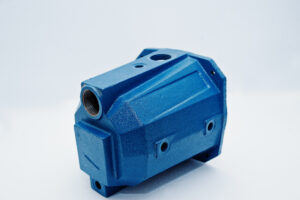
A water pump is an essential part of many homes, farms, businesses, and water supply systems in Kenya. Whether you use an electric water pump, petrol water pump, borehole pump, submersible pump, or irrigation pump, regular maintenance is important for a reliable water supply and longer equipment life.
A well-maintained water pump operates more efficiently, experiences fewer breakdowns, and can help reduce repair and replacement costs. On the other hand, neglecting routine maintenance can result in problems such as low water pressure, overheating, unusual noises, leaking, failure to start, or the pump running without delivering water.
This guide shares practical water pump maintenance tips to help homeowners, farmers and businesses keep their pumps operating efficiently.
Why Is Water Pump Maintenance Important?
Regular water pump maintenance helps identify small problems before they become expensive failures. Dirt, blocked pipes, worn seals, low oil levels, damaged impellers, and poor electrical connections can gradually affect pump performance.
Preventive maintenance can help you:
– Extend the lifespan of your water pump
– Maintain consistent water pressure and flow
– Reduce unexpected breakdowns
– Improve pump efficiency
– Prevent overheating
– Reduce operating costs
– Protect the pump motor or engine
– Identify worn components early
– Reduce expensive emergency repairs
Whether you have a domestic water pump or a heavy-duty irrigation pump, establishing a regular maintenance schedule is one of the best ways to protect your investment.
How Often Should You Service a Water Pump?
The recommended water pump servicing frequency depends on the type of pump, how often it operates, and the conditions under which it is used.
A pump used occasionally in a clean domestic water system may require less frequent maintenance than a petrol pump used every day for irrigation or construction.
As a general guide:
Before every use: Check for leaks, unusual damage, and obvious blockages.
Weekly: Inspect connections, hoses, pipes, and the general condition of frequently used pumps.
Monthly: Clean filters and inspect important components.
Every few months, carry out more detailed servicing based on operating hours.
According to the manufacturer, change engine oil, service the engine, and replace worn components per the manufacturer’s recommendations.
Always follow the maintenance intervals specified in the pump’s user manual, especially for petrol-powered and high-performance pumps.
10 Essential Water Pump Maintenance Tips
Below are ten water pump maintenance tips:
1. Inspect the Water Pump Regularly
Regular inspection is one of the simplest forms of preventive maintenance for water pumps.
Before operating your pump, look for signs of damage, corrosion, loose connections, leaking water or oil, and unusual wear. Check the pump housing, pipes, hoses, electrical connections, and mounting points.
For petrol water pumps, inspect the fuel tank, fuel line,s and engine components. For electric pumps, check the power cable, plug, terminals, and electrical connections.
Early detection can prevent a minor issue from becoming a major pump failure.
2. Keep the Water Pump Clean
Dirt, dust,t and debris can affect the performance of a water pump, particularly when the equipment is used outdoors.
Clean the exterior regularly and remove mud, dust, grass, and other debris around the pump. Make sure ventilation areas remain clear so that the motor or engine can dissipate heat effectively.
For pumps handling dirty water, wastewater, or irrigation water, inspect the intake and filtration system regularly, as debris can restrict water flow.
Avoid directing high-pressure water onto electrical components unless the equipment is specifically designed for that type of cleaning.
3. Check Pipes, Hoses, and Connections
Damaged or loose pipes and hoses can cause water leakage and reduce pump performance.
Inspect suction hoses, discharge pipes, clamps, fittings, and connections for:
– Cracks
– Loose fittings
– Leaks
– Blockages
– Kinks
– Corrosion
– Damaged seals
A leak on the suction side can allow air to enter the system, which may cause the pump to lose its prime or fail to deliver water properly.
Make sure hoses are correctly sized and securely connected to the pump.
4. Check and Change Engine Oil
This is particularly important for a petrol water pump.
Engine oil lubricates moving components and helps reduce friction and heat. Running an engine with insufficient, contaminated, or old oil can cause excessive wear and potentially serious engine damage.
Check the oil level before operating a petrol pump and change the oil according to the manufacturer’s recommended service interval.
Never operate a petrol water pump with an extremely low oil level.
When changing oil, use the grade recommended by the manufacturer and dispose of used oil responsibly.
5. Clean the Air Filter
Petrol water pumps depend on clean air for proper engine operation. A dirty or blocked air filter restricts airflow and can reduce engine performance.
Inspect the water pump air filter regularly, especially when operating the pump in dusty environments.
Depending on the filter design, it may need cleaning or replacement. Follow the manufacturer’s instructions rather than using an unsuitable cleaning method.
A clean air filter can help the engine operate more efficiently and reduce unnecessary strain.
6. Check the Fuel System on Petrol Pumps
For petrol-powered water pumps, fuel-system maintenance is essential.
Use clean, fresh fuel and keep the fuel tank and surrounding area clean. Inspect the fuel lines for cracks or leaks and check the fuel filter where applicable.
If a petrol water pump will not be used for an extended period, follow the manufacturer’s recommended storage procedure. Stale fuel can cause starting and engine-performance problems.
Avoid storing petrol in unsafe conditions and always handle fuel away from flames, sparks,s and other ignition sources.
7. Inspect the Impeller and Pump Housing
The impeller is one of the key components responsible for moving water through many centrifugal pumps.
Sand, stones, dirt, and other debris can damage or obstruct the impeller, particularly when pumping water from wells, construction sites, farms, or other environments containing suspended particles.
If you notice reduced water flow, unusual noise,s or declining pump performance, the impeller and pump housing may require inspection.
Disconnect the pump from its power source and follow the manufacturer’s instructions before opening the pump for inspection.
8. Check Seals, Bearings, gs and Connections
Worn seals can cause water leakage, while damaged bearings may produce unusual sounds or vibrations.
During routine water pump servicing, inspect accessible seals, bearings, bolts, and mechanical connections for signs of wear.
Warning signs can include:
– Water leaking around the pump
– Excessive vibration
– Grinding or squealing noises
– Unusual heat
– Reduced performance
Do not ignore these symptoms. Continuing to operate a pump with damaged internal components can cause additional damage.
9. Prevent the Pump from Overheating
Overheating can shorten the life of a pump motor or petrol engine.
Ensure that ventilation openings are not blocked and that the pump is installed or positioned in a suitable location.
Do not operate the pump beyond its recommended duty cycle. Electric pumps should have appropriate electrical protection, while petrol pumps should be operated in a well-ventilated outdoor environment.
Never operate equipment in conditions that contradict the manufacturer’s safety instructions.
If a pump repeatedly overheats, stop using it and investigate the cause rather than repeatedly restarting it.
10. Store the Pump Correctly
Proper storage is an often-overlooked part of water pump maintenance.
If your pump will not be used for an extended period, clean it thoroughly and, where possible, store it in a dry, protected location.
For petrol water pumps, follow the manufacturer’s long-term storage instructions regarding fuel, oil, and engine preparation.
Protect the pump from excessive moisture, direct exposure to rain, dust,t and extreme environmental conditions.
Proper storage can prevent corrosion, deterioration, and starting problems when the pump is needed again.
Petrol Water Pump Maintenance Tips
Petrol water pumps are commonly used for irrigation, farming, drainage, construction, and other applications requiring portability and high flow rates.
Key maintenance tasks include:
- Check engine oil before operation.
- Clean or replace the air filter.
- Inspect the spark plug.
- Check fuel lines and connections.
- Use clean fuel.
- Inspect the pump inlet and outlet.
- Remove debris from the intake.
- Check hoses for leaks.
- Inspect the impeller when performance declines.
- Follow the recommended engine servicing schedule.
If you use a petrol pump regularly, maintain a simple record of oil changes, filter cleaning, and other servicing activities.
Electric Water Pump Maintenance Tips
Electric water pumps require different maintenance from petrol-powered models because they lack an internal combustion engine.
For an electric water pump, regularly:
– Inspect the power cable for damage.
– Check electrical connections.
– Keep the motor clean and properly ventilated.
– Inspect pipes and fittings for leaks.
– Clean the pump intake and filters.
– Check for unusual noise or vibration.
– Monitor water pressure and flow.
– Ensure the pump has appropriate electrical protection.
Always disconnect electrical equipment from its power supply before carrying out maintenance.
Electrical repairs should be handled by a qualified professional where necessary.
Borehole and Submersible Pump Maintenance
Borehole pump maintenance requires particular attention because the pump may be installed deep underground and may be difficult to access.
A borehole system should be monitored for changes in:
– Water pressure
– Water flow
– Pump operating time
– Electrical consumption
– Unusual noises
– Water quality
A sudden reduction in water flow may indicate a problem with the pump, pipework, water level, or borehole itself.
For submersible water pump maintenance, inspect the electrical cable, control equipment, and accessible pipework. Avoid attempting to remove a deep submersible pump without the appropriate equipment and expertise.
Professional inspection is recommended for major problems with boreholes and submersible pumps.
Common Water Pump Problems and Solutions
Understanding common problems makes water pump troubleshooting easier. These are the common water pump problems and solutions:
Water Pump Is Running but Not Pumping Water
Possible causes include:
– Loss of prime
– Air entering the suction line
– Blocked intake
– Insufficient water supply
– Damaged impeller
– Incorrect installation
Check the pump’s manual for the correct priming procedure and inspect the suction system for leaks or blockages.
Water Pump Has Low Pressure
Low pressure can result from blocked pipes, damaged impellers, leaks, incorrect pump sizing, or insufficient water supply.
Inspect the complete water delivery system rather than assuming that the pump itself is faulty.
Water Pump Is Overheating
Possible causes include restricted ventilation, excessive workload, mechanical problems, low water flow,w or electrical faults.
Stop the pump if it becomes excessively hot and investigate the cause.
Water Pump Is Making an Unusual Noise
Grinding, rattling, squealing, or unusual vibrations can indicate problems with bearings, the impeller, mounting,g or other internal components.
Investigate unusual noises early to prevent further damage.
Petrol Water Pump Will Not Start
For a petrol pump, check the fuel supply, engine oil level, spark plug, air filter, and starting procedure. If the engine still fails to start, professional servicing may be necessary.
How to Extend the Life of Your Water Pump
The best way to extend the life of a water pump is to combine correct installation with consistent maintenance.
Use the pump within its recommended operating conditions and avoid exceeding its rated capacity. Keep filters and intake points clean, monitor performance, and address unusual noises, leaks,s or pressure changes promptly.
It is also important to choose the right pump for the application. A pump designed for clean water may not be suitable for sewage, wastewater, dirty water, or heavy-duty irrigation.
Correct pump selection is therefore just as important as maintenance.
Water Pump Maintenance Checklist
Use this simple checklist as part of your routine maintenance:
- Inspect the pump for visible damage.
- Check pipes and hoses for leaks.
- Check all connections and fittings.
- Clean the pump and the surrounding area.
- Inspect and clean filters.
- Check water flow and pressure.
- Listen for unusual noises.
- Check for excessive vibration.
- Check engine oil on petrol pumps.
- Inspect the air filter on petrol pumps.
- Check fuel lines and fuel condition.
- Inspect the impeller when necessary.
- Check seals and bearings.
- Ensure adequate ventilation.
- Store the pump correctly when not in use.
When Should You Replace a Water Pump?
Even with proper maintenance, water pumps eventually wear out.
Consider replacing a pump when it experiences repeated breakdowns, has severe internal damage, continually loses performance,e or becomes uneconomical to repair.
If the pump has been properly maintained but continues to deliver inadequate water flow or pressure, the problem may be that the pump is no longer suitable for your current requirements.
Before replacing it, have the system assessed to determine whether the pump, pipework, water source, or installation is causing the issue.
Frequently Asked Questions About Water Pump Maintenance
How do you maintain a water pump?
Regularly inspect the pump, clean filters and intake points, check pipes and connections, monitor water pressure and flow, and service the engine or motor according to the manufacturer’s recommendations.
How often should a water pump be serviced?
The servicing interval depends on the pump type, operating hours, and application. Follow the manufacturer’s recommended schedule and perform basic inspections before regular use.
What causes water pump failure?
Common causes include lack of maintenance, blocked intake, running dry, overheating, worn bearings or seals, damaged impellers, electrical faults, and operating the pump outside its recommended conditions.
How can I make my water pump last longer?
Use the correct pump for your application, maintain it regularly, avoid running it dry or overloading it, keep filters clean, protect it from unnecessary environmental damage, and address problems as soon as they appear.
Why is my water pump losing pressure?
Low pressure can be caused by blocked pipes or filters, leaks, air entering the suction line, a damaged impeller, insufficient water supply,y or an incorrectly sized pump.
Get Reliable Water Pumps From MK Homestyles
Regular water pump maintenance is essential for keeping your water supply system reliable and efficient. Whether you own a petrol water pump, electric water pump, borehole pump, submersible pump,p or irrigation pump, simple preventive maintenance can significantly reduce avoidable breakdowns.
Inspect your pump regularly, keep it clean, check hoses and connections, maintain filters, monitor pressure and flow, and follow the manufacturer’s servicing recommendations. For petrol pumps, pay particular attention to engine oil, fuel, air filters, and spark plugs.
Most importantly, do not ignore warning signs such as low water pressure, unusual noise, overheating, leaks, excessive vibration, or failure to pump water.
If you are looking for a reliable water pump in Kenya, MK Homestyles offers a range of water-pumping solutions for homes, farms, businesses, irrigation, and other applications. Choosing the right pump for your specific water source and application, combined with proper maintenance, can help you achieve dependable performance for years to come.