
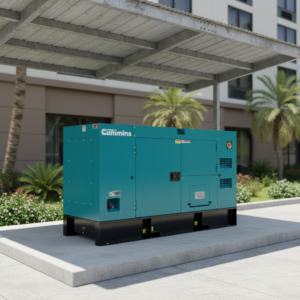
A generator that refuses to start can be frustrating, especially when you depend on it for electricity during power outages, at a business premises, or in a remote location. Sometimes the problem is as simple as an empty fuel tank, an incorrectly positioned choke, or a loose battery connection. In other cases, a generator that will not start may have a blocked fuel system, a faulty ignition component, low engine oil, or an internal engine problem.
The key to effective generator troubleshooting is to diagnose the fault systematically rather than replace parts unnecessarily. An experienced technician starts with the simplest and safest checks, observes what happens when the starting system is operated, and narrows down the possible causes.
At MK Homestyles Kenya, understanding how generators work helps customers make informed decisions about backup electricity, generator maintenance, and reliable power solutions. This guide explains why petrol and diesel generators fail to start, how to identify common problems, and when professional servicing is necessary.
What Should You Check Before Troubleshooting a Generator?
Before investigating individual components, establish whether the generator is safe to inspect and whether the basic operating conditions are correct. These preliminary checks can resolve many starting problems without specialist tools.
First, place the generator outdoors on a stable, level surface, away from doors, windows, and ventilation openings. Never operate a generator indoors, in a garage, or in any enclosed or partially enclosed space, as carbon monoxide from exhaust fumes can be fatal.
Next, check the following:
- Confirm that there is sufficient fuel in the tank.
- Check that the engine switch is set to ON.
- Ensure the fuel valve is open, if fitted.
- Verify that the choke is positioned correctly for a cold start.
- Check the engine oil level according to the manufacturer’s instructions.
- For electric-start models, inspect the starting battery and its connections.
- Disconnect unnecessary electrical loads before starting the generator.
If the generator still refuses to start, the next step is to identify its symptoms. Does the engine crank without starting, click when you press the starter, or start briefly before shutting down? Each symptom points towards a different set of possible faults.
Common Reasons Why a Generator Won’t Start
Generator starting problems usually originate in the fuel supply, ignition system, air intake, lubrication protection, or starting mechanism. Understanding these systems makes it easier to identify the likely fault before spending money on repairs.
Empty fuel tank or stale petrol
Fuel problems are among the first things to investigate when a petrol generator will not start. A fuel gauge can be inaccurate, and fuel left in a generator for extended periods may deteriorate, particularly when exposed to heat or moisture.
Old petrol can form deposits that interfere with the carburetor’s small fuel passages. The engine may crank normally but fail to start, or it may start briefly and then stop.
What to do: Check the fuel level and condition. If the petrol is stale or contaminated, have it drained and replaced safely according to the manufacturer’s instructions. Use the recommended fuel grade and keep the tank and fuel container clean.
Diesel generators can also suffer from contaminated fuel, blocked filters, or water in the fuel system. Never assume that adding more fuel will solve every starting problem.
Incorrect choke position
The choke helps a cold petrol engine start by adjusting the air-to-fuel mixture. If it remains open when the engine is cold, the mixture may be too lean to ignite properly. If it remains closed after the engine warms up, the mixture may become too rich.
This is a common issue with small portable petrol generators, particularly after storage or when an inexperienced user operates the controls.
What to do: Follow the starting sequence printed on the generator or provided in its manual. Typically, a cold engine requires the choke to be engaged initially, then gradually opened as the engine warms up. A warm engine may require little or no choke.
Avoid repeatedly pulling the starter while leaving the choke fully closed, as this can flood the engine.
Clogged carburetor or blocked fuel filter
Even when the tank contains fresh petrol, the engine may not receive enough fuel. Deposits can block the carburetor jets, while dirt or contamination can restrict the fuel filter, fuel line, or valve.
Typical symptoms include prolonged cranking, difficulty starting after storage, uneven running, and an engine that starts briefly before stopping.
What to do: Check that the fuel valve is open and inspect accessible fuel lines for obvious damage or leaks. Carburetor cleaning or fuel-system disassembly should be carried out by someone competent to work safely with fuel and engine components.
Do not use open flames to check for fuel leaks, and never spray flammable starting fluid into an engine unless the manufacturer explicitly permits the product and procedure.
Faulty spark plug or ignition system
Petrol engines require a correctly timed spark to ignite the air-fuel mixture. A spark plug that is fouled, worn, damaged, or incorrectly gapped can prevent the engine from starting. Other possible causes include a faulty ignition coil, damaged wiring, or an engine-stop switch problem.
If a petrol generator has fuel but will not start, the ignition system deserves attention after the basic fuel and control checks.
What to do: Switch off the generator, disconnect electrical loads, and follow the manufacturer’s procedure before inspecting the spark plug. Look for heavy deposits, cracks, or visible damage. Replace it with the correct specified plug if necessary.
Testing ignition components requires care because ignition systems produce high voltage. If you are unsure how to test for spark safely, ask a qualified technician rather than handling exposed ignition leads.
Dirty air filter
An engine needs the correct balance of air and fuel to start and run properly. A heavily clogged air filter restricts airflow, potentially causing difficult starting, rough running, excessive fuel consumption, or black exhaust smoke.
What to do: Inspect the air filter according to the service manual. Clean or replace it using the manufacturer’s specified procedure. Foam and paper filters require different treatment, so do not wash or oil a filter unless its design permits it.
Low engine oil or a faulty oil alert system
Many portable generators have a low-oil shutdown feature designed to prevent engine damage. If the oil level falls below the safe operating limit, the system may prevent the engine from starting or stop it shortly after it starts.
This can happen even when the fuel tank is full and the spark plug is in good condition. Some generators also require the engine to be switched off before the protection system resets.
What to do: Place the generator on level ground, switch it off, allow the engine to cool, and check the oil using the manufacturer’s recommended procedure. Top up with the specified oil if necessary. If the oil level is correct but the warning persists, have the sensor or protection circuit inspected. Never bypass the shutdown system.
Dead battery or faulty starter motor
An electric-start generator depends on a healthy battery, secure electrical connections, and a functioning starter motor. A weak battery may produce a clicking sound, turn the engine slowly, or fail to operate the starter altogether.
What to do: Inspect the battery terminals for corrosion or loose connections. Check the battery charge using an appropriate tester and recharge it according to the manufacturer’s instructions. If the battery is healthy but the starter does not engage, the solenoid, starter motor, fuse, or wiring may need professional diagnosis.
For a recoil-start generator, difficulty pulling the cord can indicate a mechanical problem. Do not force the starter if it suddenly becomes unusually difficult to pull.
Why Does My Generator Crank but Not Start?
When the engine turns over but fails to run, the starting system is doing at least some of its job. The fault is more likely to involve fuel delivery, ignition in a petrol engine, compression, or an engine safety interlock.
For a petrol generator, begin by checking the fuel quality, choke setting, fuel valve, and spark plug condition. If these are correct, a restricted carburetor or ignition fault may be responsible.
For a diesel generator, possible causes include a blocked fuel filter, air in the fuel system, a faulty fuel shutoff solenoid, or a fuel injection problem. Diesel engines also depend on adequate compression and may need a functioning cold-start system under certain conditions.
Avoid loosening high-pressure diesel injection pipes or attempting repairs to the injection system yourself. These systems can cause serious injuries. If the basic checks do not identify the fault, arrange a professional diagnosis.
Why Does My Generator Start and Then Stop?
A generator that starts but shuts down shortly afterward may have a different problem from one that never starts. Common causes include restricted fuel flow, stale fuel, a blocked air filter, low oil, overheating, or a protective shutdown triggered by a sensor.
Start by observing when the shutdown occurs. If the engine stops after a few seconds, fuel delivery or a safety interlock may be involved. If it runs for longer before stopping, check for fuel restriction, overheating, or excessive load.
Switch off and disconnect loads before inspecting the generator. If warning lights, fault codes, smoke, unusual noises, or repeated shutdowns occur, follow the manufacturer’s troubleshooting instructions and seek a qualified technician when needed.
How to Fix a Generator That Won’t Start: A Step-by-Step Checklist
A systematic troubleshooting sequence saves time and reduces unnecessary replacement of working components. Use this checklist for basic checks, always following the instructions for your particular generator.
- Check the controls: Set the engine switch to ON and open the fuel valve where applicable.
- Check fuel: Confirm the tank contains clean, suitable fuel.
- Check engine oil: Verify the oil level and investigate any warning indicator.
- Set the choke correctly: Follow the cold-start procedure in the manual.
- Inspect the air filter: Clean or replace it if permitted by the manufacturer’s instructions.
- Check the starting battery: For electric-start generators, confirm that the battery is charged and the connections are secure.
- Inspect the spark plug: For petrol engines, look for fouling or damage if you are competent to do so safely.
- Stop if the problem persists: Arrange a professional inspection if the generator still fails to start.
This sequence follows the general troubleshooting approach found in generator manufacturers’ manuals, which typically begin with fuel, control positions, engine oil, and ignition before progressing to more complex faults.
How to Prevent Generator Starting Problems
Regular generator maintenance reduces the likelihood of unexpected breakdowns and helps protect the engine from avoidable damage. A generator that sits unused for months may be less reliable when you suddenly need backup electricity.
Follow the manufacturer’s service schedule and make preventive maintenance part of your routine.
- Change engine oil at the recommended intervals.
- Inspect and clean air filters as instructed.
- Replace spark plugs and fuel filters when required.
- Keep the fuel system clean and use the recommended fuel.
- Store petrol correctly and follow the manufacturer’s guidance on fuel stabilization or draining before prolonged storage.
- For electric-start generators, maintain the battery and inspect its connections.
- Run and test the generator periodically according to its manual.
- Keep a maintenance record of servicing, operating hours, and replaced components.
Routine oil and filter maintenance, correct storage, and periodic checks help keep generators ready for use.
When Should You Call a Generator Technician?
Some faults require more than routine checks. Seek qualified assistance if you notice fuel leaks, damaged electrical wiring, repeated safety shutdowns, unusual knocking sounds, excessive smoke, or persistent starting failure after basic troubleshooting.
A technician may need to test the ignition system, starter circuit, fuel delivery, compression, sensors, or diesel injection components. Avoid dismantling critical engine systems without the correct tools and technical knowledge.
For safety, never refuel a hot or running generator, keep the unit outdoors and away from openings into buildings, and use a qualified electrician for any connection to a building’s electrical installation. Generator exhaust contains carbon monoxide, which can cause fatal poisoning.
Frequently Asked Questions
1. Why won’t my generator start even though it has fuel?
Possible causes include stale fuel, a blocked carburetor, an incorrectly positioned choke, a faulty spark plug, low engine oil, or an ignition fault.
2. Why does my generator click but not start?
A weak starting battery, loose or corroded battery connections, a faulty starter solenoid, or a defective starter motor may be responsible.
3. Can low engine oil prevent a generator from starting?
Yes. Generators equipped with low-oil protection may prevent starting or shut the engine down when the oil level is too low.
4. Why won’t my generator start after sitting unused?
Fuel deterioration, carburetor deposits, a discharged starting battery, and neglected maintenance are common possibilities.
5. Should I repair an old generator or buy a new one?
Compare the repair estimate, the condition of the engine and alternator, the availability of spare parts, and the expected reliability. If major repairs are uneconomical, replacing the unit may be the better long-term decision.
Find Reliable Generators and Power Solutions at MK Homestyles
A generator that will not start does not always need expensive repairs. Checking fuel quality, control settings, engine oil, air filters, spark plugs, and starting batteries can help identify many common faults. More complex mechanical, fuel-injection, and electrical problems should be handled by a qualified technician.
At MK Homestyles Kenya, we help customers explore reliable generators, backup electricity equipment, and practical power solutions for homes and businesses. Whether you are comparing petrol generators in Kenya, looking for a diesel generator, or planning a dependable backup power system, choosing equipment that matches your needs and maintaining it correctly can make a significant difference.
Contact MK Homestyles for electrical products, generators, solar equipment, and power solutions for dependable backup power.