-1771628551.png)
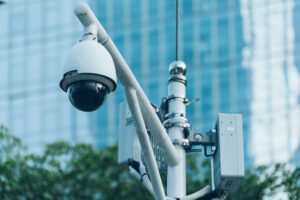
Due to the rising number of crime cases, Security has become a top priority for homeowners, businesses, farms, schools, and construction sites across Kenya. Thanks to advances in technology, you no longer need expensive wired surveillance systems to protect your property. Today, wireless CCTV cameras offer an affordable, flexible, and reliable way to monitor your premises from anywhere using a smartphone.
Among the most popular options are WiFi and 4G CCTV cameras. Both allow remote viewing, motion detection, and real-time alerts, but they differ in how they connect to the internet and where they perform best.
If you’re wondering “Which is better, WiFi or 4G CCTV?”, this comprehensive guide explains the differences, advantages, disadvantages, and ideal use cases to help you choose the best security camera for your needs.
What Is a WiFi CCTV Camera?
A WiFi CCTV camera is a wireless security camera that connects to your home or business WiFi network to transmit live video to your smartphone, tablet, or computer.
Unlike traditional CCTV systems that require long video cables, WiFi cameras use your internet connection to provide live remote viewing, motion alerts, and cloud or local video storage.
How a WiFi CCTV Camera Works
A WiFi CCTV camera connects to your wireless router and communicates with a mobile app. Once connected, you can:
- Watch live footage from anywhere
- Receive instant motion detection alerts
- Talk through the camera using two-way audio
- Save recordings to an SD card or cloud storage
- Control pan, tilt, and zoom (PTZ models)
Most WiFi security cameras are ideal for homes, offices, apartments, and shops where a stable internet connection is already available.
What Is a 4G CCTV Camera?
A 4G CCTV camera (also called a cellular CCTV camera or SIM card CCTV camera) uses a 4G LTE mobile network instead of WiFi.
Instead of connecting to a router, the camera uses a SIM card with a mobile data plan to transmit video directly to your smartphone.
Many solar-powered 4G CCTV cameras include a rechargeable battery and a solar panel, making them ideal for locations without electricity or broadband internet.
How a 4G CCTV Camera Works
The camera connects to the nearest mobile network tower using a SIM card.
This allows you to:
- Monitor your property remotely
- Receive real-time notifications
- Watch live HD video
- Store footage locally or in the cloud
- Install cameras virtually anywhere with 4G coverage
A 4G CCTV camera with a SIM card is especially useful for remote locations where WiFi is unavailable.
WiFi CCTV vs 4G CCTV: What’s the Difference?
Although both systems provide remote monitoring, they differ in connectivity, installation, operating costs, and ideal applications.
| Feature | WiFi CCTV Camera | 4G CCTV Camera |
| Internet Connection | WiFi Router | 4G LTE SIM Card |
| Requires Broadband | Yes | No |
| Works Without WiFi | No | Yes |
| Monthly Data Costs | Uses existing internet | Requires mobile data |
| Installation | Easy | Very Easy |
| Best for Homes | Excellent | Good |
| Best for Remote Areas | Limited | Excellent |
| Best for Farms | Limited | Excellent |
| Power Options | Electricity or Solar | Solar or Battery |
| Remote Viewing | Yes | Yes |
The biggest difference is simple:
- WiFi CCTV cameras depend on your internet router.
- 4G CCTV cameras depend on the mobile network.
Here’s a significantly expanded, SEO-optimized version that retains your target keywords while providing more value for readers and search engines.
Advantages of WiFi CCTV Cameras
A Wi-Fi security camera is one of the most popular surveillance solutions for modern homes and businesses because it uses an existing Wi-Fi connection to transmit live video and alerts. If you already have reliable fiber or broadband internet, a WiFi CCTV camera offers an affordable, feature-rich, and easy-to-manage security solution. From remote monitoring to AI-powered motion detection, today’s WiFi cameras combine convenience with advanced technology.
Below are the key advantages of choosing a WiFi CCTV camera.
Lower Running Costs
One of the biggest advantages of a WiFi CCTV camera is its low operating cost. Since the camera connects to your existing broadband or fiber internet, there is no need to purchase a separate SIM card or subscribe to a monthly mobile data plan.
For homeowners and businesses installing multiple cameras, this can significantly reduce long-term surveillance costs. Once connected to your WiFi network, all cameras share the same internet connection, making WiFi CCTV systems particularly economical for permanent installations.
High Video Quality
Most modern WiFi security cameras deliver exceptional image quality, allowing users to capture clear evidence and identify faces, vehicles, and other important details. Higher resolutions also enable digital zoom without excessive loss of image clarity.
Many WiFi cameras support:
- Full HD (1080p)
- 2K resolution
- 3MP
- 4MP
- 5MP
- Even 4K resolution
Combined with advanced image sensors, Wide Dynamic Range (WDR), and color night vision on premium models, these resolutions provide sharp, detailed footage both during the day and at night.
Smart Home Integration
Another major advantage of a WiFi security camera is seamless integration with smart home ecosystems. Many leading models work effortlessly with:
- Google Home
- Amazon Alexa
- Mobile security apps
This allows homeowners to receive instant motion alerts, watch live footage from anywhere, communicate through two-way audio, and even control compatible cameras using voice commands. Some smart security systems can also automate lighting, alarms, and other connected devices whenever motion is detected, creating a more intelligent home security solution.
Excellent for Indoor and Urban Use
A Wi-Fi CCTV camera for home security performs best in locations with stable, reliable internet coverage. Urban homes, apartments, offices, retail shops, schools, hotels, and commercial buildings typically already have broadband infrastructure, making WiFi cameras the ideal choice.
They are especially suitable for monitoring:
- Front and back doors
- Living rooms
- Garages
- Offices
- Reception areas
- Retail stores
- Parking spaces
- Indoor hallways
Because they rely on an existing internet connection, WiFi CCTV cameras are generally easier to manage and scale for properties with consistent network coverage throughout the building.
Advantages of 4G CCTV Cameras
A 4G security camera is specifically designed for locations where fiber broadband or WiFi is unavailable. Instead of relying on a router, these cameras connect directly to the mobile network using a SIM card, allowing users to monitor their property from virtually anywhere with cellular coverage.
For remote, rural, and off-grid applications, a 4G CCTV camera provides dependable surveillance without the need for internet cables or permanent network infrastructure.
No WiFi Required
One of the biggest advantages of 4G CCTV cameras is that they operate completely independently of WiFi.
As long as there is adequate 4G mobile network coverage, the camera can:
- Stream live video
- Send instant motion alerts
- Upload recordings to cloud storage
- Allow remote viewing through a mobile app
This makes a 4G security camera an excellent choice for areas where broadband internet is unavailable, unreliable, or too expensive to install.
Ideal for Remote Locations
A solar 4G CCTV camera for remote locations is one of the most versatile surveillance solutions available today. Because it combines mobile connectivity with solar power, it can operate continuously in areas without electricity or a fixed internet connection.
These cameras are ideal for monitoring:
- Farms
- Ranches
- Construction sites
- Boreholes
- Vacant land
- Remote warehouses
- Wildlife monitoring
Many property owners also use 4G CCTV cameras to secure irrigation systems, water tanks, livestock, farm equipment, perimeter fences, and isolated storage facilities. Their ability to function independently makes them invaluable for protecting assets in difficult-to-reach locations.
Easy Installation
Installing a 4G CCTV camera is quick and straightforward because there is no need for internet cables, routers, or complex network configuration.
Many models only require:
- Solar panel
- Camera
- SIM card
Once installed and activated, the camera immediately connects to the mobile network, allowing remote monitoring through a smartphone. This plug-and-play design significantly reduces installation time and makes relocation easy whenever security requirements change.
Reliable During Internet Outages
Unlike Wi-Fi cameras that depend on a broadband connection, a 4G CCTV camera continues to operate independently via the mobile network.
If your home or business experiences an internet outage due to fiber failure, router problems, or service interruptions, a WiFi camera may temporarily lose remote connectivity. A 4G security camera, however, remains connected as long as mobile network coverage is available, ensuring uninterrupted surveillance and continuous access to live video and security alerts.
This additional layer of reliability makes 4G CCTV cameras particularly valuable for critical infrastructure, remote facilities, and properties where continuous monitoring is essential.
Pros and Cons
Choosing between WiFi and 4G CCTV cameras depends on your internet availability, installation location, and security needs. Understanding the key advantages and disadvantages of each option will help you select the best surveillance camera for reliable, uninterrupted home or business security.
WiFi CCTV Camera
Pros
- Lower operating costs
- Excellent image quality
- Easy smartphone integration
- No SIM card required
- Ideal for homes and offices
Cons
- Requires reliable WiFi
- Performance depends on the internet speed
- Limited for remote locations
4G CCTV Camera
Pros
- Works without WiFi
- Excellent for rural areas
- Flexible installation
- Ideal for farms and construction sites
- Compatible with solar power
Cons
- Requires mobile data
- SIM card must remain active
- Network coverage affects performance
Wi-Fi vs. 4G CCTV Cameras: Which CCTV Camera Is Best for Different Applications?
Choosing between a WiFi CCTV camera and a 4G CCTV camera is not simply about internet connectivity—it depends on where the camera will be installed, the availability of power and network coverage, your budget, and the level of security required. While WiFi security cameras perform exceptionally well in locations with stable broadband, 4G CCTV cameras are specifically designed to provide reliable surveillance in remote or off-grid areas where traditional internet is unavailable.
Below is a breakdown of which CCTV camera type is best suited to different applications.
Home Security
For most urban and suburban homes with a reliable fiber or broadband internet connection, a WiFi CCTV camera for home security is the most practical and cost-effective solution.
WiFi cameras deliver high-definition live streaming, instant motion alerts, cloud or local video storage, and remote monitoring through a smartphone app. Since they use your existing internet connection, there is no need to purchase a separate SIM card or a monthly mobile data plan, making them economical for long-term use.
A WiFi CCTV camera is ideal for monitoring:
- Front and back doors
- Driveways and parking areas
- Living rooms
- Garages
- Children’s play areas
- Home entrances and perimeter walls
However, because WiFi cameras rely on your broadband network, they may temporarily lose remote connectivity during internet outages or router failures. For homes in areas with unreliable internet, a 4G CCTV camera may offer greater reliability.
Businesses and Commercial Premises
Retail shops, supermarkets, offices, warehouses, restaurants, schools, hospitals, and hotels typically have stable internet infrastructure, making WiFi security cameras the preferred surveillance solution.
These businesses often require multiple cameras connected to a centralized network for continuous monitoring and video recording. WiFi CCTV systems integrate easily with Network Video Recorders (NVRs), cloud storage platforms, and mobile applications, allowing business owners and security personnel to monitor operations from virtually anywhere.
WiFi CCTV cameras are particularly effective for:
- Monitoring customer entrances and exits
- Cash registers and reception areas
- Employee workspaces
- Warehouses and inventory storage
- Parking lots
- Office buildings and commercial premises
For larger businesses requiring several cameras, WiFi systems generally provide lower operating costs than equipping every camera with its own SIM card and mobile data plan.
Farms and Agricultural Properties
For farms, ranches, and other agricultural properties located far from broadband infrastructure, a 4G CCTV camera is the clear winner.
Many farming activities take place across large areas where installing fiber internet or WiFi networks is impractical or prohibitively expensive. A solar-powered 4G CCTV camera solves this challenge by combining a rechargeable battery, a solar panel, and 4G mobile connectivity to provide around-the-clock surveillance without requiring electricity or a fixed internet connection.
Farmers commonly use 4G CCTV cameras to monitor:
- Livestock and animal sheds
- Boreholes and water pumps
- Water tanks
- Irrigation systems
- Farm machinery and equipment
- Crop storage facilities
- Greenhouses
- Farm entrances and perimeter fences
With real-time motion alerts and remote live viewing, farmers can quickly respond to theft, trespassing, wildlife intrusion, or equipment issues even when they are miles away from the property.
Construction Sites
Construction sites are constantly changing environments that rarely have permanent electricity or broadband internet during the early stages of a project. This makes a solar 4G CCTV camera one of the most effective security solutions.
Unlike wired CCTV systems, a 4G camera can be installed within minutes and relocated easily as construction progresses. The camera operates independently using a SIM card for internet access and a solar panel for continuous power.
Construction companies commonly use 4G CCTV cameras to protect:
- Building materials
- Heavy machinery and equipment
- Fuel storage areas
- Site entrances
- Temporary offices
- Worker parking areas
Remote access allows project managers and security teams to monitor activity at any time, helping reduce theft, vandalism, and unauthorized access while improving overall site security.
Remote Homes and Holiday Properties
Holiday homes, rural residences, cabins, vacation rentals, and off-grid homes often lack reliable broadband internet, making 4G CCTV cameras the ideal surveillance solution.
Because these properties may remain unoccupied for extended periods, continuous remote monitoring is essential. A 4G security camera connects directly to the mobile network, allowing homeowners to receive instant motion alerts, view live footage, and review recorded video from anywhere using a smartphone.
A solar-powered 4G CCTV camera is especially beneficial because it continues operating even in locations without mains electricity, making it ideal for:
- Holiday cottages
- Rural homes
- Cabins
- Beach houses
- Mountain retreats
- Airbnb properties in remote locations
This combination of mobile connectivity and solar power provides reliable security year-round without the need for expensive infrastructure.
Warehouses, Remote Storage Yards, and Industrial Sites
Industrial facilities, equipment yards, and remote storage locations often require surveillance over large outdoor areas where WiFi coverage is limited. In these situations, 4G CCTV cameras provide greater flexibility and reliability.
These cameras are commonly used to monitor:
- Shipping containers
- Construction equipment storage
- Fuel depots
- Timber yards
- Mining sites
- Remote warehouses
- Utility installations
Since each camera operates independently using the mobile network, they can be deployed quickly without extensive cabling or network infrastructure.
Which CCTV Camera Should You Choose?
The best CCTV camera ultimately depends on your specific environment.
- Choose a WiFi CCTV camera if you have reliable broadband internet, want lower long-term operating costs, and are securing homes, offices, retail stores, or other permanent buildings.
- Choose a 4G CCTV camera if you need surveillance in remote, rural, temporary, or off-grid locations where WiFi or fiber internet is unavailable.
By matching the camera to your property’s connectivity and security needs, you can ensure reliable surveillance, minimize downtime, and enjoy peace of mind whether you’re protecting a family home, business, farm, or construction site.
Here’s a more comprehensive, SEO-enhanced rewrite that retains your original keywords while adding depth, topical authority, and content suitable for AI search and Google’s featured snippets.
Key Features to Consider Before Buying a CCTV Camera
Whether you choose a Wi-Fi or 4G CCTV camera, selecting the right features is just as important as choosing the connection type. A high-quality surveillance camera should provide reliable monitoring, clear video footage, intelligent alerts, and dependable performance in different weather and lighting conditions. Before making your purchase, consider the following essential features.
Resolution
Video resolution determines how clear and detailed your recorded footage will be. Higher resolutions make it easier to identify faces, vehicle number plates, and other important details.
For most residential and commercial applications, choose at least 1080P Full HD resolution. However, if you require greater image clarity or need to monitor larger areas such as warehouses, parking lots, farms, or commercial compounds, consider a 2K, 3MP, or 4MP CCTV camera, which produces significantly sharper images and allows for better digital zoom without excessive loss of detail.
Night Vision
Security threats don’t stop after sunset, making night vision one of the most important CCTV features.
Look for cameras equipped with infrared (IR) night vision for clear black-and-white footage in complete darkness. For even better security, choose cameras with full-color night vision, which use built-in LED lights and advanced image sensors to capture color footage at night. Color recordings often provide more useful evidence by revealing clothing, vehicle, and other identifying features.
Whether you’re protecting a home, business, farm, or construction site, reliable night vision ensures your property remains under surveillance 24 hours a day.
Motion Detection
Modern security cameras now use AI human detection instead of basic motion sensing.
Traditional motion detection may trigger false alarms caused by pets, birds, insects, rain, moving tree branches, or passing vehicles. AI-powered cameras intelligently distinguish people from other moving objects, dramatically reducing unnecessary notifications while ensuring genuine security events are recorded.
Some advanced models also offer:
- Human detection
- Vehicle detection
- Face recognition
- Intrusion detection
- Custom activity zones
These smart features improve security while making it easier to review recorded events.
Two-Way Audio
A Wi-Fi- or 4G-connected CCTV camera with two-way audio lets you communicate with the camera via your smartphone.
This feature is particularly useful for:
- Greeting visitors at your gate
- Speaking to delivery personnel
- Giving instructions to workers
- Warning trespassers before they enter your property
- Monitoring elderly family members or children
Two-way audio transforms a standard surveillance camera into an interactive security solution.
Weather Resistance
If the camera is to be installed outdoors, durability is essential.
Choose cameras with an IP66 or IP67 waterproof rating, as these are designed to withstand:
- Heavy rain
- Dust
- High temperatures
- Strong winds
- Outdoor environmental conditions
Weatherproof cameras provide dependable performance year-round, making them ideal for homes, schools, businesses, farms, warehouses, and industrial premises.
Storage Options
Storage determines how your surveillance footage is saved and accessed.
Look for cameras that support multiple recording options, including:
- SD card recording for simple local storage
- Cloud storage for secure off-site backups and remote access
- Network Video Recorder (NVR) compatibility for centralized recording across multiple cameras
Many users combine local and cloud storage to ensure footage remains available even if the camera is stolen or damaged.
WiFi CCTV vs 4G CCTV: Which Offers Better Value?
Many buyers ask whether a WiFi CCTV camera or a 4G CCTV camera provides better value. The answer depends less on the camera itself and more on your property’s infrastructure, internet availability, and surveillance requirements.
Choose a WiFi CCTV Camera if:
A WiFi CCTV camera is the ideal choice when your property already has a reliable fiber or broadband internet connection. It offers excellent video quality, lower operating costs, and seamless integration with smart home systems.
A WiFi CCTV camera is recommended if you:
- Have reliable broadband or fiber internet
- Want lower monthly operating costs with no SIM card data charges
- Are you securing a home, office, apartment, shop, or school
- Need multiple indoor cameras connected to one network
- Prefer easy integration with mobile apps and smart home devices
Choose a 4G CCTV Camera if:
A 4G CCTV camera is specifically designed for locations where WiFi is unavailable or unreliable. Instead of connecting to broadband, it uses a SIM card and mobile network to provide live monitoring from virtually anywhere.
A 4G CCTV camera is the best choice if you:
- Do not have WiFi or fiber internet
- Need surveillance in rural or remote areas
- Want a solar-powered security solution
- Are protecting farms, boreholes, livestock, construction sites, vacation homes, or remote businesses
- Require flexible installation without running internet cables
Although 4G cameras require a mobile data plan, they provide unmatched flexibility for off-grid surveillance.
Buying Guide: How to Choose the Best CCTV Camera
Before purchasing any security camera, take a few minutes to assess your property’s specific security needs. Choosing the right camera becomes much easier when you answer these important questions:
- Is WiFi available at the installation location?
- Is electricity available, or will I need a solar-powered CCTV camera?
- Will the camera be installed indoors or outdoors?
- What area needs to be monitored?
- Do I need live remote viewing on my smartphone?
- Should the camera continue working during power outages?
- Which storage option best suits my needs—SD card, cloud storage, or NVR?
- What is my available budget, including installation and data costs?
By considering these factors before buying, you can invest in a CCTV system that delivers reliable performance, long-term value, and the level of security your property requires.
Frequently Asked Questions
Which is better, WiFi or 4G CCTV cameras?
A Wi-Fi CCTV camera is ideal for homes, offices, retail shops, and businesses with reliable internet access, as it offers lower running costs and stable performance. A 4G CCTV camera is better suited to farms, construction sites, rural homes, boreholes, and other remote locations where broadband internet is unavailable.
Do 4G CCTV cameras need WiFi?
No. A 4G CCTV camera with a SIM card connects directly to the mobile network via 4G LTE. It does not require WiFi, making it an excellent solution for off-grid surveillance.
Can a Wi-Fi CCTV camera work without an internet connection?
Yes. Most WiFi CCTV cameras continue recording locally to an SD card or NVR when internet service is unavailable, provided they remain connected to power. However, remote viewing, cloud recording, and instant mobile notifications require an active internet connection.
Which CCTV camera is best for farms?
A solar-powered 4G CCTV camera for farms is generally the best option because it operates independently of electricity and WiFi, allowing farmers to monitor livestock, equipment, gates, and farm activities remotely through a mobile app.
Which CCTV camera is best for home security?
For most urban homes with reliable broadband, a WiFi CCTV camera for home security offers excellent video quality, affordable running costs, easy installation, and seamless integration with smart home security systems.
Are 4G CCTV cameras expensive to run?
A 4G CCTV camera requires a mobile data subscription, but many modern cameras use data efficiently. Running costs depend on factors such as video resolution, recording schedules, motion-triggered recording, live viewing frequency, and cloud storage usage. Adjusting video quality settings can significantly reduce monthly data consumption.
Can I monitor my CCTV camera from anywhere?
Yes. Both Wi-Fi and 4G CCTV cameras support remote viewing via dedicated smartphone applications. As long as your camera is connected to the internet—either through WiFi or a mobile network—you can monitor live footage, receive motion alerts, review recordings, and communicate using two-way audio from virtually anywhere.
Final Verdict
When comparing WiFi vs 4G CCTV cameras, there is no single solution that fits every situation. The best choice depends on your property’s location, available internet connection, power supply, and overall security requirements.
A WiFi CCTV camera is the ideal option if you have a stable broadband connection and want an affordable, high-performance surveillance solution for your home, office, shop, or commercial building. It delivers excellent image quality, lower ongoing costs, and convenient integration with existing networks.
On the other hand, a 4G CCTV camera is the preferred solution for farms, construction sites, rural homes, boreholes, wildlife areas, and other off-grid locations where WiFi or fiber internet is unavailable. Combined with solar power, it provides reliable 24-hour security virtually anywhere.
Whichever option you choose, investing in a quality wireless CCTV camera significantly enhances your property’s security, enables real-time remote monitoring, deters criminal activity, and provides valuable peace of mind wherever you are.
Buy WiFi & 4G CCTV Cameras from MK Homestyles
Looking for the best CCTV cameras in Kenya? MK Homestyles offers a carefully selected range of WiFi, 4G, and solar CCTV cameras, as well as complete security surveillance solutions, designed for homes, businesses, schools, farms, warehouses, offices, apartments, and commercial properties.
Whether you need a smart home security camera, a solar-powered 4G surveillance system for a remote location, or a comprehensive multi-camera CCTV installation, our experienced team can help you choose the ideal solution for your property, security goals, and budget.
At MK Homestyles, we are committed to providing high-quality surveillance products, competitive prices, expert advice, and dependable after-sales support. Contact us today to secure your property with reliable, high-performance CCTV technology built for Kenyan homes and businesses.