-1771628551.png)
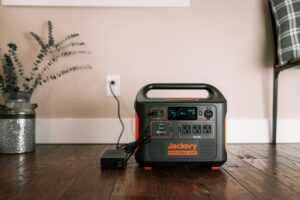
Power outages have become increasingly common in many parts of Kenya, making reliable backup power solutions more important than ever. Whether you’re protecting your home from unexpected blackouts, powering essential business equipment, working remotely, or planning an off-grid camping trip, choosing the right electricity source is crucial.
Two of the most popular options available today are the portable power station and the traditional portable generator. While both provide emergency power when the grid goes down, they operate very differently and are designed for different applications.
So, which is better: a portable power station or a generator?
The answer depends on several factors, including your power requirements, budget, runtime expectations, noise tolerance, fuel availability, and intended use.
In this comprehensive guide, we’ll compare portable power stations vs generators in detail, covering their working principles, advantages, disadvantages, costs, maintenance requirements, safety considerations, and ideal applications. By the end of this guide, you’ll know exactly which backup power solution best fits your needs.
What Is a Portable Power Station?
A portable power station is a rechargeable battery-powered energy storage system designed to supply electricity without burning fuel. Unlike conventional generators, it stores electrical energy in high-capacity lithium batteries and delivers power through a built-in pure sine-wave inverter, making it safe for sensitive electronics.
Modern portable power stations commonly feature:
- AC output sockets
- DC output ports
- USB-A ports
- USB-C Power Delivery (PD)
- Car charging outlets
- LED lighting
- LCD monitoring screens
- Solar charging capability
Most premium models use LiFePO4 (Lithium Iron Phosphate) batteries, known for their long lifespan, excellent safety, and thousands of charging cycles.
Because they produce zero emissions, portable power stations can safely operate indoors, making them ideal for apartments, offices, hospitals, and homes.
What Is a Generator?
A generator converts mechanical energy into electrical energy using an internal combustion engine powered by petrol or diesel fuel.
Unlike battery-powered systems, generators continue producing electricity as long as fuel is available.
Common types include:
- Portable petrol generators
- Diesel generators
- Inverter generators
- Standby generators
- Industrial generators
Generators remain the preferred choice when continuous high-power output is required for construction sites, farms, factories, large homes, and commercial facilities.
Certainly! Below is a much more comprehensive, SEO-optimized, and AI-friendly rewrite. It provides deeper explanations, naturally incorporates high-ranking keywords, and offers more value to readers, making it better suited for a high-ranking MK Homestyles blog article.
Portable Power Station vs Generator: How Does Each Backup Power System Work?
Although both portable power stations and generators provide electricity during power outages, they generate and deliver power in completely different ways. Understanding how each system works is essential when choosing the best backup power solution for your home, business, camping trips, or emergency preparedness.
The primary difference lies in where the electricity comes from. A portable power station stores electricity in rechargeable batteries and releases it when needed, while a generator creates electricity on demand by burning fuel to power an engine. These differences affect everything from power output and runtime to maintenance, operating costs, safety, and environmental impact.
How Does a Portable Power Station Work?
A portable power station, also known as a portable battery generator or battery power station, is a rechargeable energy storage system that stores energy in high-capacity lithium batteries. Unlike conventional generators, it does not generate electricity by burning fuel. Instead, it supplies clean, stable electricity from the energy already stored in its battery.
Most modern portable power stations use advanced Lithium Iron Phosphate (LiFePO4) or lithium-ion batteries. LiFePO4 batteries are increasingly preferred because they offer longer service life, faster charging, improved thermal stability, and can withstand thousands of charge and discharge cycles before experiencing noticeable capacity loss.
Inside every portable power station are several key components working together:
- A rechargeable lithium battery that stores electrical energy.
- A Battery Management System (BMS) that monitors voltage, temperature, charging, and discharging to protect the battery from overcharging, overheating, overcurrent, and short circuits.
- A pure sine wave inverter that converts the battery’s Direct Current (DC) electricity into Alternating Current (AC), allowing it to safely power household appliances and sensitive electronics.
- Charge controller that regulates incoming power from wall outlets, solar panels, or vehicle chargers to ensure efficient and safe battery charging.
When an appliance is plugged into the power station, the inverter instantly converts the stored DC electricity into standard AC electricity, enabling you to power devices such as:
- Televisions
- Laptops and desktop computers
- Wi-Fi routers
- Smartphones and tablets
- LED lighting
- Small refrigerators
- CPAP machines
- Cameras and drones
- Fans and other low- to medium-power appliances
One of the biggest advantages of a portable power station is its multiple charging options. Depending on the model, it can be recharged using:
- Standard AC wall outlets
- Solar panels for renewable off-grid charging
- 12V vehicle charging while travelling
- Generator charging during extended power outages
- Dual charging, which combines two charging sources simultaneously for significantly faster charging times
Since portable power stations have no internal combustion engine, they produce no exhaust fumes, no carbon monoxide, and virtually no noise during operation. This makes them safe for indoor use in homes, apartments, offices, hospitals, caravans, and enclosed workspaces where conventional generators cannot be used.
Because they deliver clean, pure sine wave power, portable power stations are also ideal for powering sensitive electronics that may be damaged by unstable voltage or power fluctuations.
How Does a Generator Work?
A generator produces electricity by converting mechanical energy into electrical energy through an internal combustion engine. Instead of storing electricity like a portable power station, it generates power continuously as long as it has sufficient fuel.
Most portable generators operate using either petrol (gasoline) or diesel, although larger standby generators may also use natural gas or LPG.
The electricity generation process involves several stages:
- Fuel is supplied to the engine.
- The engine burns the fuel, producing mechanical energy.
- The rotating engine shaft drives an alternator.
- The alternator converts the mechanical energy into electrical energy through electromagnetic induction.
- The generated electricity is then supplied to the connected appliances via the generator’s output sockets.
Unlike battery-powered systems, a generator does not require charging. As long as the fuel tank contains petrol or diesel—or additional fuel is available for refuelling—the generator can continue producing electricity for many hours or even several days.
Generators are available in several configurations, including:
- Portable petrol generators
- Portable diesel generators
- Inverter generators
- Standby generators with automatic transfer switches
- Industrial generators for commercial and large-scale applications
Because generators can produce significantly higher continuous power output than most portable power stations, they are capable of running energy-intensive equipment such as:
- Water pumps
- Borehole pumps
- Air conditioners
- Welding machines
- Power tools
- Refrigerators and freezers
- Electric cookers
- Commercial machinery
- Multiple household appliances simultaneously
However, because generators rely on combustion engines, they produce engine noise, exhaust gases, and heat. They also require regular maintenance, including oil changes, air filter replacement, spark plug servicing (for petrol models), and periodic engine inspections to maintain optimal performance and fuel efficiency.
For safety reasons, generators should never be operated indoors or in enclosed spaces due to the risk of carbon monoxide poisoning. They should always be placed outdoors in a well-ventilated area, protected from rain and excessive moisture.
Portable Power Station vs Generator: Side-by-Side Comparison
| Feature | Portable Power Station | Generator |
| Power Source | Rechargeable lithium-ion or LiFePO4 battery | Petrol or diesel fuel |
| How Electricity Is Produced | Supplies electricity stored in rechargeable batteries | Generates electricity by burning fuel and rotating an alternator |
| Power Output | Best for low to medium electrical loads | Suitable for medium to heavy electrical loads |
| Runtime | Limited by battery capacity (Wh) and appliance power consumption | Can run continuously as long as fuel is available |
| Charging Options | Wall outlet, solar panels, vehicle charger, generator, dual charging | No charging required; simply refuel |
| Noise Level | Virtually silent operation | Moderate to loud, depending on engine size and load |
| Indoor Use | Safe for indoor use with no emissions | Unsafe indoors due to carbon monoxide emissions |
| Maintenance | Minimal maintenance with no engine servicing | Requires regular oil changes, filter replacement, fuel system maintenance, and engine servicing |
| Fuel Requirement | No fuel required | Requires petrol or diesel fuel |
| Solar Charging Compatibility | Yes, most models support direct solar charging | No solar charging capability |
| Emissions | Zero emissions during operation | Produces exhaust gases and greenhouse gas emissions |
| Start-Up Time | Instant power at the push of a button | Manual recoil start or electric start, depending on the model |
| Operating Costs | Very low after purchase with no fuel expenses | Ongoing fuel and maintenance costs |
| Sensitive Electronics | Excellent, thanks to pure sine wave inverter technology | Best with inverter generators; conventional generators may have voltage fluctuations |
| Portability | Lightweight and easy to transport | Heavier due to the engine and fuel tank |
| Best Applications | Home backup, camping, office use, remote work, medical devices, outdoor events | Construction sites, farms, businesses, whole-home backup, heavy-duty equipment, prolonged blackouts |
| Environmental Impact | Eco-friendly, especially when paired with solar panels | Higher carbon emissions and fossil fuel consumption |
Power Output Comparison: Which Delivers More Electricity?
When comparing a portable power station vs. a generator, one of the most important factors to consider is power output. The amount of power a backup system can deliver determines the number and type of appliances it can operate simultaneously, making it a key consideration when choosing the best backup power solution for your home, business, farm, or outdoor activities.
Power output is measured in watts (W) or kilowatts (kW) and is typically expressed in two ways:
- Continuous (Rated) Power: The amount of electricity the unit can supply consistently over long periods without overheating or overloading.
- Surge (Peak) Power: The higher amount of power available for a few seconds to start appliances with electric motors, such as refrigerators, water pumps, freezers, and air conditioners.
Understanding both ratings is essential because many appliances require a higher electricity surge during startup than during normal operation.
Portable Power Station Power Output
Portable power stations are designed to provide clean, stable electricity for everyday electronics and small to medium-sized appliances. Most models available today offer continuous power outputs ranging from 300W to 3,000W, while premium models can exceed 5,000W and deliver surge power of up to 10,000W, depending on the manufacturer and battery capacity.
Because they use advanced pure sine wave inverter technology, portable power stations produce electricity similar to the national power grid. This makes them exceptionally safe for sensitive electronic devices that can be damaged by unstable voltage or poor-quality power.
A portable power station can comfortably power devices such as:
- LED lights
- Smartphones and tablets
- Laptops and desktop computers
- Wi-Fi routers and networking equipment
- Televisions
- Cameras and drones
- Portable fans
- CPAP machines
- Small refrigerators and mini freezers
- Gaming consoles
- Small kitchen appliances such as blenders or coffee makers (within the unit’s wattage rating)
However, because their maximum continuous output is limited by the inverter and battery capacity, portable power stations are generally not suitable for powering multiple high-wattage appliances simultaneously. Equipment with large electric motors or heating elements—including electric kettles, ovens, welding machines, large water pumps, electric cookers, and central air-conditioning systems—can quickly exceed the unit’s rated output and either shut it down or significantly reduce its runtime.
For homeowners looking to keep essential electronics and appliances running during a blackout, however, a portable power station provides an efficient, quiet, and fuel-free solution.
Generator Power Output
Generators are specifically designed for applications that demand high continuous power output over extended periods. Portable generators typically produce between 2,000W and 10,000W, while larger standby and industrial generators can supply tens or even hundreds of kilowatts, making them suitable for powering entire buildings and commercial facilities.
Unlike portable power stations, a generator’s runtime is not limited by battery capacity. As long as fuel is available, it can continue producing electricity, making it the preferred choice for prolonged power outages and demanding workloads.
A properly sized generator can operate multiple heavy-duty appliances simultaneously, including:
- Borehole and water pumps
- Air conditioners
- Refrigerators and deep freezers
- Electric water heaters
- Power tools and workshop equipment
- Construction machinery
- Welding machines
- Electric cookers
- Large office equipment
- Commercial refrigeration systems
- Farm equipment
- Entire household electrical circuits through a transfer switch
Generators are therefore the better option for powering appliances with high starting current or supplying electricity to multiple loads simultaneously.
Which Offers Better Power Output?
The answer depends on your electricity requirements.
A portable power station is ideal if your primary goal is to power low- to medium-wattage devices such as laptops, lighting, televisions, Wi-Fi routers, medical equipment, and other essential household electronics. It delivers clean electricity, operates silently, requires virtually no maintenance, and is safe for indoor use.
A generator is the better choice if you need to run high-power appliances, operate several electrical devices simultaneously, or provide backup power for an entire home, business, farm, or construction site. Its significantly higher wattage capacity and continuous fuel-powered operation make it suitable for heavy-duty applications and extended blackouts.
When choosing between the two, don’t focus solely on the advertised wattage. Also consider the starting wattage (surge power) of your appliances, the continuous power rating of the backup system, and the total electrical load you expect to run simultaneously. Properly matching your backup power system to your energy requirements ensures reliable performance, protects your appliances, and prevents overloading.
Runtime Comparison: Which Backup Power Solution Lasts Longer?
When choosing between a portable power station and a generator, runtime is one of the most important factors to consider. Runtime refers to how long a backup power system can continuously supply electricity before it needs to be recharged or refueled.
Unlike power output, which determines what appliances you can operate, runtime determines how long those appliances can remain operational during a power outage. The way runtime is calculated differs significantly between portable power stations and generators because one stores electricity in batteries while the other generates electricity by burning fuel.
Portable Power Station Runtime
The runtime of a portable power station depends on the amount of energy stored in its battery. This energy is measured in Watt-hours (Wh), which indicates how many watts the battery can supply over a specific period.
Several factors influence how long a portable power station will last, including:
- Battery capacity (Wh): Larger batteries store more energy and provide longer operating times.
- Appliance power consumption (Watts): High-wattage appliances drain the battery faster than low-power devices.
- Inverter efficiency: During the conversion of DC battery power to AC household electricity, a small amount of energy is lost as heat. Higher-quality pure sine wave inverters are generally more efficient.
- Number of connected devices: Running multiple appliances simultaneously increases total power consumption and shortens runtime.
- Battery age and ambient temperature: Over time, battery capacity gradually decreases, and extremely hot or cold conditions can affect performance.
A simple way to estimate runtime is:
Runtime (Hours) = Battery Capacity (Wh) ÷ Total Appliance Wattage (W)
For example, a 1,000Wh portable power station may power:
- A 100W television for approximately 8–9 hours
- A 10W Wi-Fi router for 70–90 hours
- A 60W laptop for around 14–16 hours or multiple full charges
- A smartphone dozens of times depending on battery size
- LED lighting throughout the night
- A CPAP machine for an entire night’s sleep
It’s important to note that actual runtime may vary depending on inverter efficiency and the appliance’s operating cycle. For example, refrigerators do not run continuously; they cycle on and off as needed, often allowing them to operate longer than simple wattage calculations suggest.
Once the battery is depleted, the portable power station must be recharged before it can supply electricity again. Fortunately, many modern models support fast charging, allowing them to recharge from 20% to 80% in just a few hours, while solar charging provides an excellent off-grid alternative.
Generator Runtime
Unlike battery-powered systems, generators do not have a fixed energy reserve. Instead, they generate electricity continuously by converting fuel into mechanical energy, which is then converted into electrical energy by the alternator.
A generator’s runtime depends on factors such as:
- Fuel tank capacity
- Engine efficiency
- Generator load
- Fuel type (petrol or diesel)
- Engine size
For example, a portable generator with a full fuel tank may operate for 6 to 12 hours depending on the electrical load. Diesel generators are often more fuel-efficient than petrol models, especially when operating under heavy loads.
One major advantage of generators is that they can continue running almost indefinitely. When the fuel tank becomes empty, refuelling typically takes only a few minutes, allowing electricity generation to resume almost immediately. This makes generators particularly valuable during prolonged power outages, emergencies, and applications requiring continuous operation over several days.
If your priority is maintaining power throughout extended blackouts or supplying electricity to high-demand equipment without interruption, a generator offers a clear advantage in runtime.
Fuel vs Battery: Which Is More Convenient?
One of the biggest differences between a portable power station and a generator is the energy source they rely on. While generators require a continuous supply of petrol or diesel, portable power stations operate entirely on rechargeable batteries.
Portable Power Stations: Convenience Without Fuel
Portable power stations eliminate many of the inconveniences associated with fuel-powered equipment. Once charged, they are ready to provide instant electricity at the press of a button.
There is no need to:
- Purchase petrol or diesel regularly
- Store flammable fuel safely
- Transport fuel containers
- Check engine oil
- Deal with fuel spills or unpleasant odours
- Start an engine during emergencies
Simply recharge the battery after use, and the unit is ready for the next outage.
Generators: Dependable but Fuel Dependent
Generators remain highly reliable, especially during long outages, but they require ongoing fuel management.
Owners should consider:
- Regular fuel purchases
- Safe storage of petrol or diesel
- Engine oil replacement
- Fuel stabilisers if stored for extended periods
- Safe outdoor operation with adequate ventilation
- Periodic servicing to maintain engine performance
Although generators provide virtually unlimited runtime with refuelling, portable power stations offer greater convenience, lower day-to-day operating costs, and a much cleaner user experience for everyday backup power needs.
Charging Options: How Do You Recharge Each System?
Charging flexibility is another area where portable power stations have a significant advantage.
Portable Power Station Charging Methods
Most modern portable power stations support multiple charging methods, allowing users to recharge almost anywhere.
Common charging options include:
- Standard AC wall outlet charging
- Solar panel charging
- 12V vehicle charging
- Generator charging
- Dual charging using two power sources simultaneously for faster charging
Solar charging is particularly beneficial in Kenya, where abundant sunshine makes solar energy a practical and cost-effective solution. Pairing a portable power station with compatible solar panels creates a reliable off-grid power system that can provide renewable energy without relying on the electrical grid.
Many premium power stations also include Maximum Power Point Tracking (MPPT) charge controllers, which optimise solar panel performance and improve charging efficiency under varying sunlight conditions.
Generator Refuelling
Generators do not require charging because they generate electricity directly from fuel. However, this also means they depend entirely on a continuous supply of petrol or diesel.
During widespread power outages or fuel shortages, obtaining fuel may become difficult, making a battery-powered backup system an attractive alternative for many households.
Noise Levels: Which Backup Power Solution Is Quieter?
Noise pollution is an important consideration, particularly for residential homes, offices, campsites, hospitals, and outdoor events.
Portable Power Stations
Because portable power stations contain no combustion engine, they operate almost silently. Most produce only minimal fan noise when charging or operating under heavy electrical loads.
This makes them ideal for:
- Apartments
- Home offices
- Bedrooms
- Hospitals and clinics
- Libraries
- Schools
- Camping
- Outdoor events
- Photography and videography
- Mobile workstations
Their silent operation also makes them suitable for overnight use without disturbing sleep.
Generators
Generators inevitably produce noise because of:
- Engine combustion
- Exhaust systems
- Cooling fans
- Mechanical vibrations
Noise levels typically range from 60 to over 90 decibels, depending on engine size, generator load, and enclosure design.
Although inverter generators are significantly quieter than conventional open-frame generators, they are still much louder than portable power stations and may not be suitable in noise-sensitive environments.
If quiet operation is a priority, portable power stations are the clear winner.
Safety Comparison: Which Is Safer?
Safety should always be one of the first considerations when selecting a backup power system.
Portable Power Station Safety
Portable power stations are among the safest backup power solutions currently available.
Because they do not burn fuel, they produce:
- No carbon monoxide
- No exhaust fumes
- No fuel spills
- No open flames
- Minimal fire risk when used correctly
Modern power stations also incorporate advanced safety features such as:
- Battery Management Systems (BMS)
- Over-voltage protection
- Over-current protection
- Over-temperature protection
- Short-circuit protection
- Automatic shutdown during unsafe operating conditions
These features make portable power stations suitable for indoor use in homes, offices, apartments, hospitals, and emergency shelters.
Generator Safety
Generators require significantly greater caution. Because they burn fuel, they produce carbon monoxide, an odourless and potentially deadly gas.
For safe operation:
- Never use a generator indoors.
- Place it outdoors in a well-ventilated location.
- Keep it away from doors, windows, and air vents.
- Protect it from rain while maintaining airflow.
- Allow the engine to cool before refuelling.
- Store fuel in approved containers away from living areas.
Following manufacturer safety guidelines is essential to prevent fire hazards, fuel accidents, and carbon monoxide poisoning.
Maintenance Requirements
Maintenance requirements directly impact long-term ownership costs.
Portable Power Stations
Portable power stations require very little maintenance because they have no engine or moving mechanical components.
Recommended maintenance includes:
- Keeping the battery partially charged during long-term storage
- Cleaning air vents and cooling fans
- Storing the unit in a cool, dry location
- Performing periodic firmware updates where supported
- Inspecting charging cables and connectors
With proper care, quality LiFePO4 battery power stations can provide 3,000 to over 6,000 charging cycles, often translating to 10 years or more of regular use.
Generators
Generators require routine maintenance to ensure reliable operation.
Typical servicing includes:
- Engine oil changes
- Air filter replacement
- Fuel filter replacement
- Spark plug replacement (petrol models)
- Fuel system cleaning
- Battery maintenance for electric-start models
- Cooling system inspection
- Engine servicing according to manufacturer schedules
Failure to perform regular maintenance can reduce fuel efficiency, increase operating costs, and shorten engine life.
Cost Comparison: Which Offers Better Long-Term Value?
The purchase price is only one part of the total ownership cost.
Portable Power Station Costs
Portable power stations often have a higher upfront cost because they incorporate advanced lithium batteries, sophisticated Battery Management Systems, and pure sine wave inverter technology.
However, they have very low ongoing operating costs because they require:
- No petrol or diesel
- Minimal maintenance
- No engine servicing
- Fewer replacement parts
- Solar charging capability that can eliminate electricity costs for recharging
Generator Costs
Generators may initially be more affordable for comparable power output, but owners should also budget for:
- Fuel expenses
- Oil changes
- Engine servicing
- Replacement filters
- Spark plugs
- Repairs over the generator’s lifetime
For occasional backup power, a portable power station may provide a lower total cost of ownership. For heavy-duty or continuous use, however, a generator often offers better value despite its higher running costs.
Environmental Impact
Environmental sustainability is becoming an increasingly important factor when selecting backup power equipment.
Portable power stations produce zero emissions during operation, consume no fossil fuels, and can be fully recharged using solar energy. Their quiet operation also eliminates noise pollution, making them an environmentally responsible solution for homes, campsites, and urban areas.
Generators, on the other hand, rely on fossil fuels and emit carbon dioxide, carbon monoxide, nitrogen oxides, particulate matter (particularly diesel engines), and engine noise. While modern generators are becoming more fuel-efficient and cleaner than older models, they still have a significantly larger environmental footprint than battery-powered alternatives.
For users prioritising renewable energy and sustainable living, portable power stations are the more environmentally friendly choice.
Best Uses for a Portable Power Station
A portable power station is designed for users who need a quiet, clean, and portable source of electricity without relying on petrol or diesel. Thanks to their rechargeable lithium batteries, pure sine wave inverters, and multiple charging options, portable power stations are becoming increasingly popular for residential, commercial, and recreational applications.
They are particularly well suited for situations where low noise, zero emissions, and portability are more important than extremely high power output.
Some of the best applications include:
Home Backup Power
Portable power stations are an excellent home backup power solution for short to medium power outages. They can keep essential household appliances running, including:
- LED lighting
- Wi-Fi routers
- Mobile phones
- Laptops
- Televisions
- Small refrigerators
- Medical devices such as CPAP machines
For many households, this is enough to maintain communication, lighting, internet access, and food preservation until grid power is restored.
Remote Work and Home Offices
With more people working from home, uninterrupted power has become essential. A portable power station can keep computers, monitors, networking equipment, printers, and communication devices running during blackouts, helping professionals remain productive without interruption.
Camping and Outdoor Adventures
Portable power stations have become one of the most popular camping power solutions because they eliminate the noise and fumes associated with fuel-powered generators.
They can power:
- Camping lights
- Portable refrigerators
- Smartphones
- Cameras
- Drones
- Electric coolers
- Portable fans
- Coffee makers
- Small cooking appliances
Many campers also combine them with portable solar panels for a completely off-grid renewable energy system.
Photography and Content Creation
Photographers, videographers, drone operators, and content creators often work in remote locations without access to grid electricity. Portable power stations provide reliable power for:
- Camera battery chargers
- Drone charging stations
- LED lighting
- Laptops
- Portable monitors
- Audio equipment
Outdoor Events
Whether you’re hosting a family gathering, exhibition, market stall, or outdoor event, portable power stations can safely power lighting, speakers, projectors, payment terminals, and charging stations without disturbing guests with engine noise.
Emergency Preparedness
Every home should have a reliable emergency power source. Portable power stations are ideal for emergency preparedness because they:
- Start instantly
- Require no fuel
- Can be stored safely indoors
- Operate silently
- Require minimal maintenance
Many families keep one fully charged and ready for unexpected blackouts or natural disasters.
Best Uses for a Generator
Although portable power stations offer numerous advantages, generators remain the preferred choice when high power output and extended runtime are required.
Because generators continuously produce electricity as long as fuel is available, they can power equipment that exceeds the capacity of most battery-powered systems.
Generators are best suited for the following applications:
Whole-Home Backup Power
Larger petrol and diesel generators can power multiple household circuits simultaneously, allowing homeowners to continue using essential appliances throughout prolonged power outages.
These may include:
- Refrigerators
- Freezers
- Borehole pumps
- Lighting circuits
- Kitchen appliances
- Security systems
- Internet equipment
- Washing machines
- Air conditioners
When paired with an automatic transfer switch, standby generators can restore electricity almost immediately after a power outage occurs.
Farms and Agricultural Operations
Many farms depend on electricity to pump water, operate irrigation systems, power milking machines, and run feed processing equipment.
Generators provide dependable backup power for:
- Borehole pumps
- Solar water pump backup systems
- Irrigation pumps
- Livestock facilities
- Grain processing equipment
- Cold storage
Construction Sites
Construction equipment often requires substantial electrical power that exceeds the capacity of portable power stations.
Generators can reliably operate:
- Angle grinders
- Circular saws
- Air compressors
- Welding machines
- Concrete mixers
- Heavy-duty power tools
Their continuous operation makes them indispensable for contractors working in locations without grid electricity.
Commercial Businesses
Businesses cannot afford prolonged downtime during power outages.
Generators provide uninterrupted electricity for:
- Offices
- Retail stores
- Restaurants
- Hotels
- Hospitals
- Manufacturing facilities
- Supermarkets
- Cold rooms
For businesses that rely on refrigeration or continuous customer service, generators can prevent costly interruptions.
Industrial Applications
Large industrial generators can supply electricity to factories, warehouses, telecommunications infrastructure, mining operations, and other high-demand facilities where continuous power is critical.
Portable Power Station vs Generator: Pros and Cons
Both systems offer unique advantages depending on your energy requirements. Understanding their strengths and limitations can help you make an informed purchasing decision.
Portable Power Station
Advantages
- Silent operation with virtually no noise pollution
- Safe for indoor use because it produces no carbon monoxide or exhaust fumes
- Zero emissions during operation, making it environmentally friendly
- Compatible with solar panels for renewable energy charging
- Minimal maintenance with no engine servicing required
- Lightweight and highly portable
- Instant startup with the press of a button
- Pure sine wave output protects sensitive electronics
- Low long-term operating costs due to the absence of fuel expenses
- Multiple charging options, including AC, solar, vehicle, and generator charging
Disadvantages
- Limited runtime determined by battery capacity
- Higher upfront purchase cost than many comparable generators
- Lower maximum continuous power output
- Requires time to recharge once the battery is depleted
- Less suitable for operating multiple heavy-duty appliances simultaneously
Generator
Advantages
- High continuous power output suitable for demanding electrical loads
- Virtually unlimited runtime with regular refuelling
- Ideal for heavy appliances and motor-driven equipment
- Lower purchase cost for equivalent wattage in many cases
- Better suited for extended power outages
- Wide range of sizes available for residential, commercial, and industrial use
Disadvantages
- Ongoing fuel costs
- Regular engine maintenance required
- Produces engine noise
- Emits exhaust gases and greenhouse emissions
- Cannot be operated safely indoors
- Risk of carbon monoxide poisoning if used improperly
- Fuel storage adds additional safety considerations
Which Backup Power Solution Is Best for Homes in Kenya?
Choosing between a portable power station and a generator ultimately depends on your household’s electricity needs, budget, and how frequently you experience power outages.
If your primary objective is to keep essential appliances operating during routine blackouts, a portable power station is often the smarter investment. It provides clean, silent electricity for lights, televisions, laptops, Wi-Fi routers, smartphones, medical equipment, and small refrigerators while requiring virtually no maintenance. Its ability to recharge using solar panels also makes it an attractive option for homeowners seeking to reduce electricity costs and embrace renewable energy.
However, if your household regularly experiences prolonged outages or relies on high-power appliances such as borehole pumps, electric water heaters, air conditioners, freezers, or multiple large appliances operating simultaneously, a generator offers significantly greater power output and virtually unlimited runtime through refuelling. For larger homes, farms, commercial premises, and workshops, it remains the most practical backup power solution.
Increasingly, many homeowners are adopting a hybrid backup system that combines both technologies. A portable power station handles everyday essentials quietly and efficiently, while a generator provides additional capacity during extended outages or when powering heavy electrical loads. This combination offers exceptional flexibility, improved energy efficiency, and greater peace of mind during unexpected blackouts.
Frequently Asked Questions
Which is better: a portable power station or a generator?
Neither option is universally better—it depends on your power requirements. A portable power station is ideal for powering electronics, lighting, and small appliances safely indoors with minimal maintenance. A generator is better suited for heavy-duty equipment, whole-home backup, and prolonged power outages that require higher wattage and continuous operation.
Can a portable power station replace a generator?
For many households, yes. If your goal is to power essential devices such as lights, Wi-Fi routers, laptops, televisions, and small refrigerators during short outages, a portable power station may completely replace a generator. However, if you need to operate borehole pumps, air conditioners, construction equipment, or multiple high-power appliances simultaneously, a generator remains the better choice.
Is a portable power station safe to use indoors?
Yes. Portable power stations produce no carbon monoxide, exhaust fumes, or fuel emissions, making them safe for indoor use when operated according to the manufacturer’s instructions. This makes them ideal for apartments, offices, hospitals, and emergency home backup.
Can I use a generator indoors?
No. Generators should never be operated indoors, in garages, or in enclosed spaces. They produce carbon monoxide, a colourless and odourless gas that can be fatal if inhaled. Always place generators outdoors in a well-ventilated area, away from doors, windows, and air vents.
Can I charge a portable power station using solar panels?
Yes. Most modern portable power stations support direct solar charging. When paired with compatible solar panels, they provide a renewable and cost-effective off-grid power solution, making them particularly useful in sunny regions such as Kenya.
Which backup power solution is quieter?
Portable power stations are virtually silent because they have no combustion engine. In contrast, generators produce engine and exhaust noise during operation. Although inverter generators are quieter than conventional models, they are still considerably louder than battery-powered power stations.
Which option is cheaper to maintain?
Portable power stations require far less maintenance because they have no engine, oil, spark plugs, or fuel system. Generators require routine servicing, including oil changes, filter replacements, spark plug maintenance (for petrol models), and periodic engine inspections, bringing higher long-term maintenance costs.
Buy Portable Power Stations and Generators from MK Homestyles
Whether you’re looking for a portable power station for home backup, a generator for your business, or a dependable emergency power solution for camping, farming, or commercial use, investing in high-quality equipment is essential for reliable performance and long-term value.
At MK Homestyles, we stock a carefully selected range of premium portable power stations, petrol, diesel, and inverter generators, and other backup power solutions from trusted manufacturers. Whether you need a compact battery power station for essential electronics during blackouts or a heavy-duty generator for running an entire home, farm, or commercial facility, our team is ready to help you choose the right solution based on your energy requirements and budget.
Browse our collection today and enjoy expert advice, competitive prices, and dependable after-sales support. With MK Homestyles, you can invest in a reliable backup power system that keeps your home, business, or outdoor adventures powered whenever the grid lets you down.